
Risdon peppermint
Eucalyptus risdonii
Description
Growing requirements
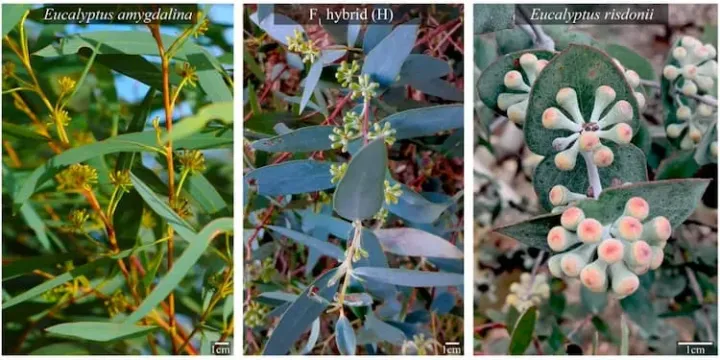
Risdon peppermint (Eucalyptus risdonii) is a member of the Myrtaceae family, endemic to the dry, stony ridges of Tasmania. It is widely recognized for its striking, persistent juvenile foliage that exhibits a distinctive glaucous or silvery-blue coloration.
The plant grows as a small tree or large shrub and is highly adapted to nutrient-poor soils. Botanically, it is classified as a mallee-type eucalyptus, which defines its multiple-stemmed growth habit starting from a woody rootstock.
Successful cultivation requires full sun exposure and excellent drainage. The species is highly intolerant of waterlogged soil conditions, which frequently lead to root rot and eventual death of the specimen in garden environments.
Climate-wise, it prefers mild, temperate conditions with moderate rainfall and dry periods. While it can withstand light frosts, it performs best in regions where harsh, freezing winds are absent or mitigated by shelterbelts.
In terms of soil management, the plant thrives in gravelly or sandy substrates. Fertilization should be kept to a minimum, as high nitrogen levels cause weak, succulent growth that is susceptible to wind damage and pest infestations.
Main diseases and pests
Common plant health issues include leaf spot diseases and various types of fungal root rot triggered by over-irrigation. Proper spacing is essential to ensure adequate airflow and reduce the humidity around the foliage.
Pest threats include scale insects and wood-boring beetles that can attack weakened stems. Maintaining a healthy plant through proper site selection and occasional biological pest control is usually sufficient to manage these risks.
Harvesting
The agricultural and commercial value of Eucalyptus risdonii is primarily linked to the ornamental floristry industry. The foliage is harvested for its unique color and long vase life in floral arrangements.
Harvesting should be done using sharp, sterilized tools to prevent stem damage. Managed pruning not only provides marketable stems but also helps in maintaining the tree's architecture and promoting new, healthy growth.