
Erythrina livingstoniana
Erythrina livingstoniana
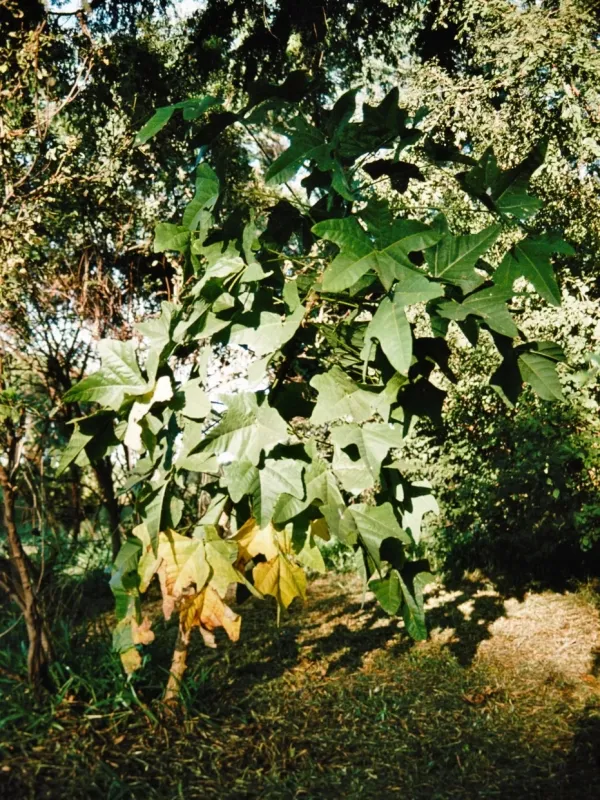
Description
Sowing dates
Propagation of Erythrina livingstoniana is primarily achieved through seeds or stem cuttings, requiring specific preparation for high germination rates.
Seeds have a hard seed coat and require scarification or soaking in warm water for several hours before planting to ensure moisture absorption.
Sowing should be performed in a well-draining, sterile potting medium, kept at a constant temperature of approximately 22–25 degrees Celsius.
When using cuttings, select healthy semi-hardwood stems during the growing season, treating them with rooting hormone to facilitate root development.
Young seedlings must be protected from extreme temperature fluctuations and excessive humidity during the first few months of their development.
Growing requirements
Belonging to the Fabaceae family, Erythrina livingstoniana is a deciduous tree native to the tropical regions of southeastern Africa.
This species thrives in full sun exposure and requires well-drained soil to prevent root rot, which is the most common cause of plant failure.
The tree prefers soil with a pH ranging from slightly acidic to neutral and benefits from periodic fertilization with a balanced, slow-release fertilizer.
While the tree is relatively drought-tolerant once established, regular irrigation during the initial years of growth significantly enhances its vigor.
Environmental conditions should be carefully managed, as the species is sensitive to frost and requires protection in regions with cold winters.
Main diseases and pests
The tree is susceptible to common garden pests, including mealybugs, aphids, and scale insects, which feed on the sap of the tender foliage.
Fungal diseases, such as root rot or leaf spot, are prevalent in areas with poor drainage or stagnant air, requiring strict moisture management.
To prevent pest outbreaks, it is recommended to maintain the tree's overall health and provide adequate spacing between individual plants.
Should an infestation occur, integrated pest management practices, including the use of insecticidal soaps or oils, are highly effective.
- Monitor for leaf discolouration regularly.
- Avoid over-mulching near the trunk base.
- Prune out any dead or infected woody material.
Harvesting
Erythrina livingstoniana is largely valued for its striking ornamental appearance, particularly its vibrant, claw-shaped flowers that bloom in clusters.
Beyond aesthetics, the tree provides ecological benefits, including nitrogen fixation, which improves soil fertility in the areas where it is cultivated.
The lightweight timber produced by the tree is traditionally used by local communities for creating carvings, handicrafts, and fishing gear.
Maintenance tasks, often associated with harvest, include careful pruning to manage the shape and size of the tree, especially in limited urban spaces.
Seed collection for future propagation should only be performed when the pods are fully mature and dry to ensure maximum viability.