
Erythrina humeana
Erythrina humeana
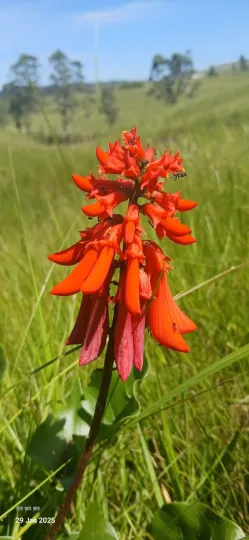
Description
Sowing dates
Erythrina humeana is typically propagated through seeds which require scarification to break dormancy and ensure consistent germination rates for the crop.
The sowing process begins in early spring within controlled greenhouse environments, maintaining temperatures between 22 and 26 degrees Celsius for optimal results.
Stem cuttings are an alternative method for propagation, taken during the late summer months from healthy, semi-hardwood growth to ensure genetic uniformity.
Young plants should be carefully transplanted into larger containers as they grow, using a loose, well-draining potting medium to avoid root compaction.
Consistent moisture levels must be maintained during the initial stages of seedling development until the plant establishes a robust root system.
Growing requirements
As a member of the Fabaceae family, Erythrina humeana thrives in warm climates and requires full sun exposure to trigger its characteristic red blooming cycle.
The soil should be nutrient-rich and porous. Proper drainage is the most critical factor, as these plants are highly susceptible to root damage in waterlogged conditions.
Temperature management is vital; while the plant is heat-tolerant, it requires protection from frost and freezing temperatures, necessitating indoor storage in cooler regions.
Fertilization should be applied sparingly during the growing season using a balanced fertilizer to support foliage growth and floral development.
Watering requirements vary significantly; the plant needs regular irrigation during active growth but should remain relatively dry throughout the winter dormancy period.
Main diseases and pests
Common pests affecting Erythrina humeana include spider mites and mealybugs, which tend to infest the plant if the air remains too dry for extended periods.
Root rot, often caused by overwatering or poorly aerated soil, serves as the primary disease threat that can quickly lead to plant failure.
Effective management strategies include the regular inspection of the foliage and the application of neem oil or systemic insecticides upon the detection of pests.
Maintaining proper hygiene by clearing fallen leaves and ensuring adequate air circulation prevents the buildup of fungal spores in the growing area.
Integrated pest management practices help minimize chemical use while ensuring the long-term health and vitality of the specimen.