
Erythrina folkersii
Erythrina folkersii
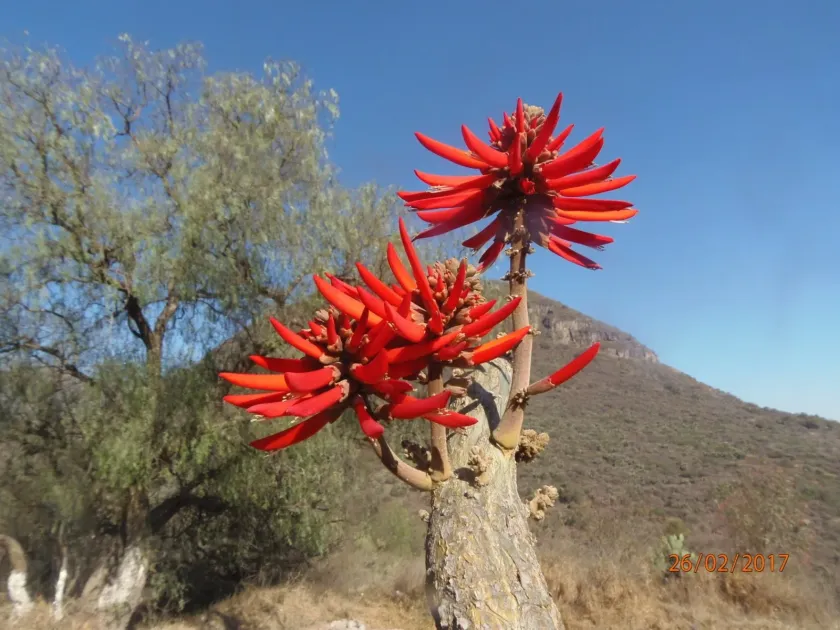
Description
Sowing dates
Erythrina folkersii is a perennial woody plant belonging to the Fabaceae family. Propagation is primarily achieved through seeds, which must be sown promptly after harvesting to ensure high germination rates.
Seed scarification is an essential step to facilitate the penetration of moisture through the hard seed coat. Sowing is best performed at the onset of the rainy season to provide consistent moisture for early seedling development.
In nursery environments, well-draining potting mixtures are required to avoid waterlogging. The containers should be deep enough to support the initial taproot growth characteristic of this species.
Optimal germination occurs at temperatures between 25 and 28 degrees Celsius. Careful irrigation management is necessary during the seedling stage to prevent damping-off disease caused by excessive humidity.
Vegetative propagation via woody cuttings is also a viable method to maintain genetic consistency, especially when selecting superior specimens for agroforestry purposes.
Growing requirements
This species is strictly adapted to tropical and subtropical climates and does not tolerate frost. Exposure to freezing temperatures can lead to severe tissue damage or the death of the entire plant.
The ideal soil conditions consist of well-drained loams or sandy soils with a neutral to slightly acidic pH. Proper drainage is paramount, as the root system is highly susceptible to rot in waterlogged conditions.
Erythrina folkersii thrives in full sunlight, which is necessary for healthy leaf development and flowering. Reduced light intensity results in etiolated growth and increased susceptibility to pests.
As a nitrogen-fixing legume, it plays a vital role in enhancing soil fertility, making it an excellent candidate for intercropping and sustainable land management systems.
While the tree shows moderate drought tolerance once established, regular irrigation during the first two years of growth significantly enhances its development and overall vigor.
Main diseases and pests
Common pests include aphids and spider mites, which frequently infest the young foliage during hot and dry spells. Effective pest control is achieved through the timely application of appropriate systemic insecticides.
Root rot is a major threat, particularly in poorly drained soils. Management strategies include improving site drainage and the use of preventative fungicide treatments during the seedling stage.
Leaf-eating caterpillars can occasionally cause significant damage, reducing the plant's photosynthetic capacity. Integrated pest management, including manual removal or biological control, is recommended for sustainable production.
Fungal diseases affecting the bark can occur under conditions of high humidity and poor air circulation. Regular pruning to thin the canopy is the most effective preventative measure against these infections.
Maintaining high hygiene standards by clearing debris around the base of the trees helps disrupt the life cycle of many pathogens and insect pests, reducing the need for chemical intervention.
Harvesting
The primary agricultural use of Erythrina folkersii involves harvesting its biomass, which serves as a valuable green manure or supplemental livestock fodder. Harvesting is usually performed at the end of the vegetative cycle.
When used as a live fence or hedge, regular pruning is necessary. This practice encourages denser branching, improves overall plant health, and allows for the periodic collection of leafy biomass.
Seed collection is performed manually once the pods have matured and reached their full size but before they dehisce naturally. Proper timing is critical to minimize seed loss on the ground.
Harvested seeds must be dried in a shaded, well-ventilated area to maintain their viability. Storage should be in a cool, dry environment to prevent the growth of fungal pathogens.
While the wood of this species is not typically used for heavy construction due to its lightweight nature, it finds application in small-scale rural craft and as a structural component for light farm implements.