
Eruca capadocica
Eruca capadocica
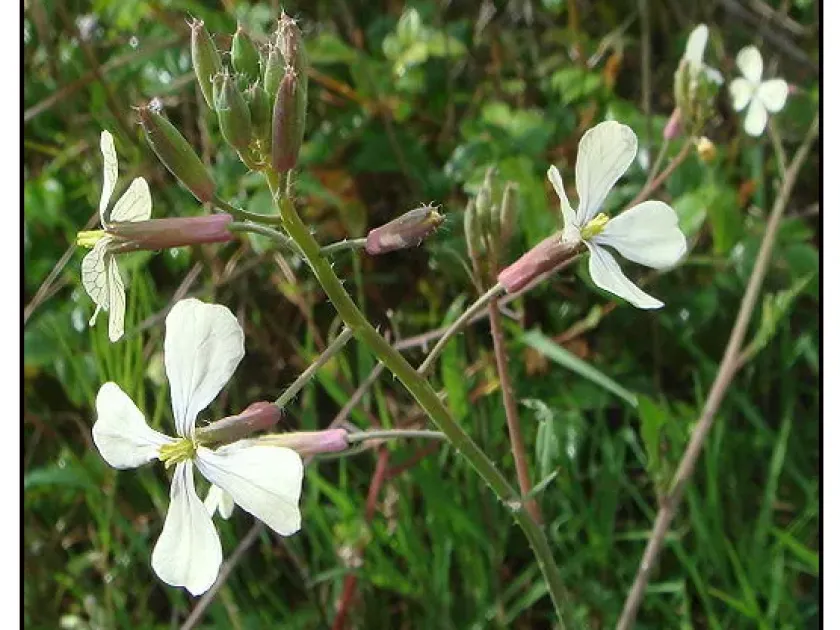
Description
Sowing dates
Eruca capadocica is a herbaceous annual belonging to the Brassicaceae family. It is typically sown in early spring as soon as the soil temperatures consistently reach 8–10 degrees Celsius, allowing for rapid germination and establishment.
For a continuous supply of fresh leaves, sequential sowing is recommended. By planting small batches every two to three weeks, growers can extend the harvesting period significantly throughout the growing season before high summer heat triggers bolting.
Seeds are sown in rows spaced approximately 20 to 25 centimeters apart. The ideal sowing depth is 1 to 1.5 centimeters, which ensures sufficient moisture access for the germinating seeds while allowing the delicate sprouts to emerge efficiently.
Soil contact is critical for success; therefore, light rolling or firming the soil after sowing helps improve moisture retention. This step is particularly beneficial in regions where spring precipitation is unpredictable and topsoil dries out quickly.
With proper care, the crop establishes itself quickly. Its vigorous growth pattern in the initial stages allows it to cover the ground effectively, suppressing the emergence of common weeds and reducing the need for intensive mechanical weeding.
Growing requirements
This crop performs best in well-drained, fertile loamy soils with a neutral or slightly alkaline pH. Soils with excessive clay content may hinder root development and negatively impact the flavor profile of the leaves due to moisture retention.
Eruca capadocica thrives in full sun, requiring ample light to develop a robust leaf rosette. Shaded environments often lead to etiolation, where the plant develops thin, elongated stems and loses the intense, characteristic flavor of its foliage.
The optimal temperature range for growth is between 16 and 22 degrees Celsius. Periods of extreme heat or drought stress must be avoided, as these conditions significantly accelerate the plant's life cycle, leading to early flower development and bitter leaves.
Consistent soil moisture is essential for producing high-quality tender greens. Regular, moderate irrigation is preferred over infrequent, heavy watering, which can lead to stress or the development of root-related issues in the dense leaf canopy.
While the plant responds well to nitrogen-based fertilization during the active vegetative growth phase, it should be applied moderately. Over-fertilization, especially with synthetic nitrogen, may lead to excessive nitrate accumulation in the edible tissues.
Main diseases and pests
The most common pest impacting Eruca capadocica is the flea beetle. These small insects can cause significant damage to young seedlings by creating numerous small holes in the leaves, necessitating the use of row covers or biological control agents.
Downy mildew is the primary disease risk, particularly in conditions of high humidity and poor air circulation. Proper spacing and avoiding overhead irrigation during cloudy, stagnant weather are key strategies to prevent the spread of fungal spores.
Soil-borne pests and larvae can occasionally cause damage to the root system. Implementing a strict crop rotation plan, ensuring that the field does not contain other Brassicaceae family members in back-to-back cycles, significantly mitigates these risks.
Sanitation practices play a vital role in disease prevention. Removing harvest residues from the field promptly prevents the buildup of pathogens and keeps the local ecosystem balanced, reducing the likelihood of recurring infections.
Integrated Pest Management (IPM) is highly recommended for this crop. By focusing on biological controls and environmental management rather than harsh chemical sprays, growers can ensure the production of clean, high-quality, and safe greens for consumers.
Harvesting
Harvesting is typically performed by hand-cutting or using small mechanical mowers to remove the leaf rosettes. The ideal harvest time is just before the plant begins to produce flower stalks, ensuring the most delicate taste and texture.
Post-harvest handling is critical, as the leaves are highly perishable. Immediate cooling or refrigeration helps extend the shelf life, preserving the crisp texture and the signature peppery, nutty flavor for which this crop is highly valued.
In large-scale commercial operations, mechanical harvesters can be used to gather the foliage efficiently if the planting rows are consistent. This provides a steady stream of product for supply chains that prioritize freshness and local production.
In the kitchen, Eruca capadocica is versatile and sought after for its distinctive flavor. It works exceptionally well in fresh salads, as a piquant garnish for roasted vegetables, or blended into savory sauces that complement poultry and fish dishes.
Beyond its culinary appeal, the plant is valued for its nutrient density and presence of phytonutrients. Its rapid harvest cycle makes it an excellent choice for small-scale market gardens looking to maximize productivity throughout the cooler months.