
Erlangea misera
Erlangea misera
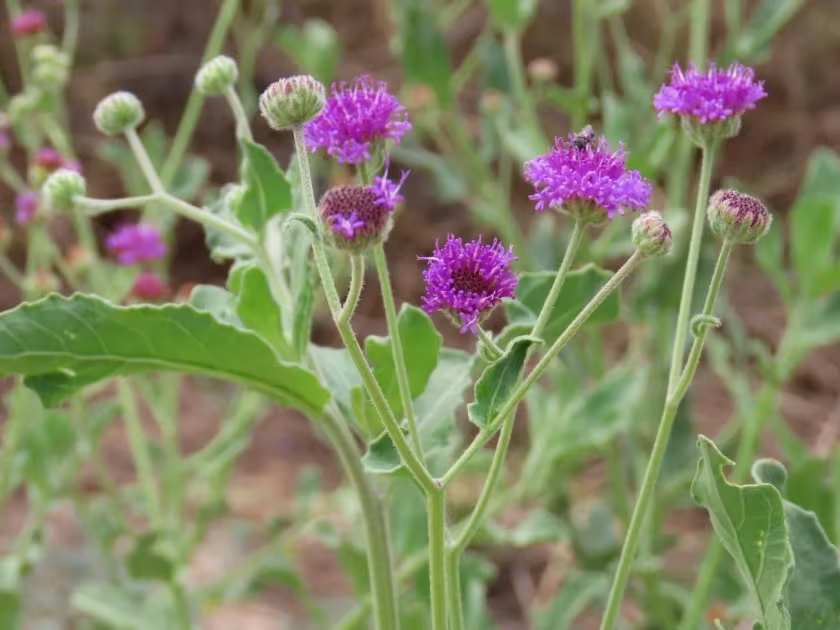
Description
Sowing dates
Sowing should take place in early spring, once the danger of frost has passed and the soil has reached a stable temperature suitable for seed germination.
Using a high-quality seed starting mix is recommended to provide young seedlings with the necessary nutrients and proper aeration for rapid root development.
Seeds should be surface-sown and gently pressed into the substrate, as they require adequate light exposure to initiate the sprouting process successfully.
Maintaining consistent moisture levels in the seeding tray is crucial during the first two weeks, using a fine mist spray to avoid displacing the small seeds.
Once the seedlings have reached a sufficient height, they should be transplanted into larger containers or prepared outdoor beds to ensure enough space for growth.
Growing requirements
Erlangea misera, a member of the Asteraceae family, thrives best in locations that receive full, direct sunlight throughout the majority of the day.
The ideal soil profile consists of well-drained loam with a neutral pH, ensuring that excess moisture can easily escape to prevent root health issues.
Consistent watering is required during the active growth phase, although it is important to allow the soil surface to dry slightly between watering sessions.
Temperature fluctuations should be minimized, as extreme shifts can induce stress, impacting the plant's structural integrity and its ability to bloom effectively.
Regular fertilization with a balanced, water-soluble fertilizer helps promote lush foliage development and enhances the vibrancy of the plant's colorful blooms.
Yield
The primary horticultural value of Erlangea misera lies in its long-lasting flowering period, which makes it highly sought after for both landscape and cut flower use.
To maximize the yield of high-quality blossoms, it is essential to manage plant density, ensuring each individual plant has sufficient airflow and access to light.
Strategic pruning of spent flower heads throughout the season can encourage the plant to divert energy back into foliage and subsequent bloom cycles.
In commercial cultivation, implementing a precise irrigation and nutrient delivery system can lead to significant increases in overall biomass and flower output.
Proper harvesting techniques, when combined with optimized post-harvest handling, ensure that the product retains its market value for an extended period.
Main diseases and pests
Aphids and spider mites are the most common pests that affect the health of the plant, especially in environments with limited airflow and high humidity.
Powdery mildew can pose a significant threat if leaves remain wet for extended periods or if the plants are placed too closely together in the garden.
Root rot is often the result of waterlogged soil conditions, highlighting the importance of proper site drainage and cautious watering practices by the grower.
Integrated pest management, including the use of beneficial insects and selective organic treatments, can successfully control infestations without damaging the crop.
Regular sanitation of the growing area by removing fallen leaves and debris is a fundamental step in preventing the overwintering of pathogens.
Harvesting
Harvesting for cut flowers should occur in the cool hours of the early morning to ensure maximum turgidity and extended vase life for the floral product.
Clean, sharp tools are necessary to make precise cuts, which helps prevent mechanical damage to the remaining plant and reduces the risk of infection.
After harvest, stems should be immediately hydrated in clean water and stored in a cool, shaded environment to minimize stress before distribution.
For seed collection, wait until the flower heads have fully dried on the plant, as this indicates that the seeds have reached physiological maturity.
Discard all diseased plant material immediately after the harvest season concludes to maintain a healthy growing environment for future planting cycles.