
Hare's-tail cottongrass
Eriophorum vaginatum L.
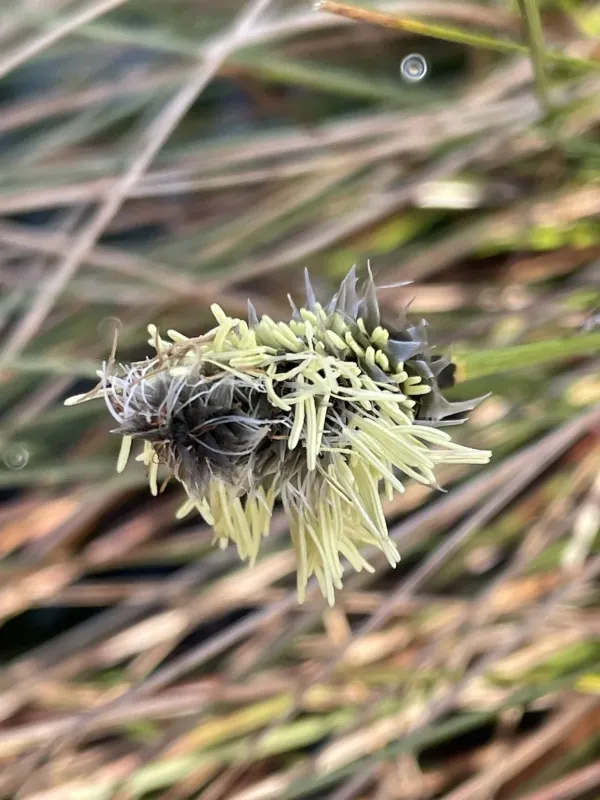
Description
Growing requirements
Eriophorum vaginatum, commonly known as Hare's-tail cottongrass, is a perennial herbaceous plant belonging to the Cyperaceae family. It is a fundamental species in peat-forming habitats, characterized by its dense tussock-forming growth habit.
The plant thrives in acidic, waterlogged conditions such as bogs and fens, requiring a pH range of 3.5 to 5.5. It is highly adapted to nutrient-poor, oligotrophic environments where other crop species fail to establish.
For agricultural or restoration purposes, consistent hydration is essential. The soil should be primarily peat-based to mimic the natural ecological niche required for optimal growth and root development.
Propagation is typically carried out via division of established tussocks during the early spring. This method ensures high survival rates and rapid establishment in the target habitat or cultivation area.
The species serves as a critical candidate for the ecological restoration of damaged peatlands, helping to stabilize the soil surface and promote natural biodiversity in northern landscapes.
Main diseases and pests
Fungal pathogens represent the primary threat to the crop, particularly in stagnant conditions where water circulation is restricted, leading to potential root rot.
Insect pests include various species of moths and flies that target the developing flower heads, which can significantly reduce the potential for seed production in commercial nurseries.
Environmental stress, specifically the drawdown of the water table, remains the most severe threat to the viability of these wetlands plants, leading to rapid desiccation of the rhizomes.
Pollution, including nitrogen deposition and heavy metal runoff, can disrupt the delicate balance of the bog ecosystem, negatively impacting the growth and health of the cottongrass populations.
Maintenance involves routine monitoring of water quality and ground moisture levels to ensure the stability of the root environment and the prevention of pathogen colonization.