
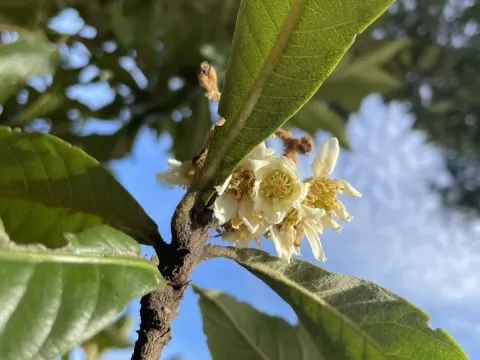
Loquat
Eriobotrya
The loquat (Eriobotrya japonica), a member of the Rosaceae family, is propagated either by seed or through vegetative methods. Seeds should be planted immediately after extraction from the fruit, as they have a short shelf life and lose viability when dried.
What the section contains

Loquat
In commercial orchards, grafting is the preferred method for propagation. Seedlings of the same species or quince rootstocks are commonly used to ensure that the progeny retains the desirable characteristics of the parent cultivar.
When starting from seeds, use a well-draining potting medium and maintain a constant temperature of approximately 20–22 degrees Celsius. Germination typically occurs within three to five weeks under optimal moisture conditions.
Transplanting into the permanent location should be done in early spring. It is critical to provide adequate space between trees, ideally 5 to 6 meters apart, to promote airflow and light penetration across the canopy.
Establishing a professional orchard requires certified rootstock, as seedlings grown directly from seed are highly variable and may result in fruit of inferior quality and delayed production cycles.
The loquat is an evergreen subtropical tree that thrives in mild climates. While it possesses some cold tolerance, temperatures dropping below -10 degrees Celsius can severely damage buds and reduce the potential yield.
The ideal soil for loquat production is deep, fertile, and well-drained loam. Heavy clay soils that retain excess moisture can lead to root rot, making effective drainage systems a necessity for healthy orchard management.
This tree species prefers full sun exposure. In regions with extremely intense solar radiation, young trees may require partial shade during the peak of summer to prevent foliage sunburn and desiccation.
Regular irrigation is essential, particularly during the fruit development stage. However, it is vital to balance watering practices to avoid waterlogging, which the species does not tolerate well, even in active growth phases.
Fertilization regimes should prioritize balanced nitrogen, phosphorus, and potassium applications. Micronutrients like zinc and iron may also be necessary depending on local soil pH and regional soil conditions.
Productivity in loquats is determined by cultivar, tree age, and orchard management practices. A mature, well-maintained tree can yield between 30 and 70 kilograms of fruit per harvest season under optimal conditions.
The fruit grows in clusters, typically oval or pear-shaped, and is highly valued for its sweet, juicy flesh. It is rich in vitamin A, vitamin B-complex, and dietary fiber, making it a healthy commercial crop.
Beyond fresh consumption, loquats are widely processed into jams, jellies, preserves, and fruit wines. This versatility adds significant economic value for growers targeting both local and export markets.
Regular pruning is a mandatory practice to sustain high yields. By shaping the tree and removing crowded branches, farmers can ensure the fruit receives sufficient light and that the tree maintains its vigor.
Commercial production generally begins 4 to 5 years after grafting, with yields reaching peak performance levels as the tree matures between its 10th and 15th year.
Fire blight, caused by the bacterium Erwinia amylovora, represents the most significant threat to loquat cultivation. It can cause rapid necrosis of shoots and branches, necessitating strict sanitation protocols.
Fungal issues such as anthracnose and various leaf spots are prevalent in humid environments. Preventive fungicide programs are often required to maintain foliage health and prevent crop loss.
Common pests include scale insects and mealybugs, which sap nutrients from the tree and can lead to secondary fungal infections. These pests require proactive monitoring and integrated pest management (IPM) strategies.
Fruit flies are a major concern during the ripening phase, as they damage the fruit surface and reduce marketability. Netting and pheromone traps are effective tools for managing these insect populations.
- Disinfect pruning tools between trees to prevent the spread of bacteria.
- Remove and destroy infected wood immediately upon detection.
- Maintain orchard hygiene by clearing fallen fruit and debris.
Harvesting loquats requires a delicate approach because the fruit skin is thin and susceptible to bruising. Workers must handle the fruit with extreme care throughout the collection process.
Fruit maturity is indicated by the transition of the skin color to a uniform bright yellow or orange. The flesh should be firm yet yield slightly to pressure when perfectly ripe for harvest.
The standard practice is to cut the entire cluster from the branch using sharp garden shears. This method prevents damage to the tree's fruiting spurs and keeps the fruit intact for transport.
Since the harvested fruit is highly perishable, it should be moved to a temperature-controlled environment (5–8 degrees Celsius) as quickly as possible to extend shelf life.
Grading by size and color is recommended before packaging. Using soft trays for packing helps maintain the aesthetic quality and minimizes bruising during transit to the retail market.