
Harbinger-of-spring
Erigenia bulbosa
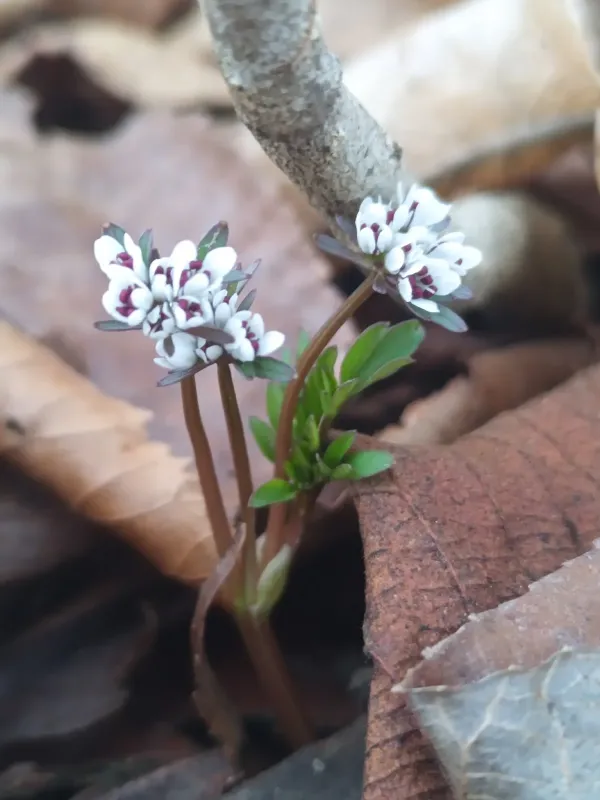
Description
Growing requirements
Harbinger-of-spring (Erigenia bulbosa) is a perennial member of the Apiaceae family. It is a classic spring ephemeral native to the deciduous forests of North America, characterized by a rapid growth cycle that occurs before the canopy fully leafs out in spring.
The plant thrives in moist, well-drained, humus-rich soil typical of woodland environments. It prefers a pH balance that ranges from neutral to slightly acidic, replicating the forest floor conditions where decaying leaf litter provides constant nutrients.
Climatic requirements involve a cool spring period and a dormant season during the hot summer months. Providing partial to full shade is essential, as the plant suffers if exposed to intense, direct summer sunlight once the foliage has gone dormant.
Effective agrotechnical practices include mulching with organic leaf mold to maintain moisture levels. It is crucial to ensure that the area remains undisturbed during the summer dormancy to protect the bulbs from physical damage or dehydration.
Propagation is generally achieved through careful division of dormant tubers or by sowing fresh seeds. Given the plant's sensitivity to environmental changes, it performs best when placed in an area that does not require frequent soil cultivation or significant disruption.
Main diseases and pests
The most significant threat to Erigenia bulbosa is root or bulb rot, which typically occurs in soils with poor drainage. Stagnant water, especially during late winter or early spring, can quickly compromise the health of the tuberous roots.
Slugs and snails are the primary pests that target the emerging succulent growth early in the season. Consistent monitoring and the use of integrated pest management strategies are advised to protect the tender foliage from being consumed.
Environmental stress, such as unseasonable temperature fluctuations, can cause physiological issues. Late frosts after an early warm spell may damage developing flower buds, reducing the overall aesthetic value of the plant population.
Invasive weed species can outcompete these small ephemerals for water and light. Regular manual weeding is necessary, though it must be done with caution to avoid disturbing the underground parts of the harbinger-of-spring.
Small mammals, particularly voles and mice, may forage on the bulbs, especially during the winter. Using wire cages or protective planting baskets is a recommended measure for ensuring the long-term survival of the crop in susceptible areas.