
Erepsia heteropetala
Erepsia heteropetala
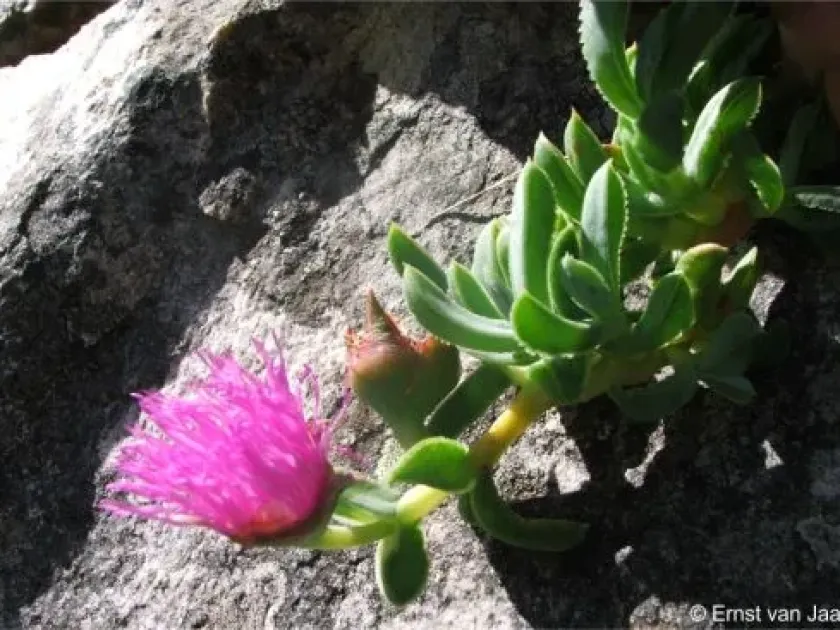
Description
Sowing dates
Propagation of Erepsia heteropetala is typically achieved through seeds or stem cuttings. The optimal time for sowing is during early spring when day length begins to increase.
Seeds should be sown in a well-draining substrate mix consisting of sand, perlite, and a small amount of potting soil. Surface sowing is recommended as the seeds require light to germinate.
Creating a humid environment with a plastic cover helps improve germination rates. Maintaining a steady temperature between 20-22 degrees Celsius is crucial during the early stages of growth.
Once seedlings develop their first true leaves, they should be carefully pricked out into individual pots. This practice encourages stronger root system establishment.
Cuttings can be taken during the summer months. It is essential to let the cut end callus over for several days before placing it into the rooting medium to prevent rot.
Growing requirements
As a member of the Aizoaceae family, this succulent requires full, direct sunlight to maintain its structural integrity and health. Insufficient light results in elongated, weak stems.
The plant demands a highly porous, mineral-based soil mix. Adding coarse sand, grit, or pumice ensures proper water drainage, which is the most critical factor for survival.
Watering must be very infrequent. Allow the soil to dry out completely between waterings, and reduce hydration significantly during the winter dormancy period.
Temperatures should mimic natural arid conditions. During the summer, the plant thrives in warm, dry weather, while winter requires cooler temperatures to stimulate potential blooming.
Fertilization should be limited to the active growing season. A specialized low-nitrogen liquid fertilizer for cacti and succulents should be applied sparingly.
Main diseases and pests
The most significant threat to Erepsia heteropetala is root rot, caused by stagnant moisture in the root zone. Overwatering is the primary cause of plant death.
Pests such as mealybugs and spider mites are common, especially when the plant is kept in environments with poor ventilation and dry air.
Maintaining good airflow around the plant helps reduce the risk of fungal infections and keeps pest populations under control.
Regular monitoring of the foliage and root crown allows for the early detection of issues, enabling prompt intervention with suitable insecticides or fungicides.
Proper sanitation, including the removal of dead leaves, is essential to prevent the buildup of pathogens that can compromise the plant's health.