
Eremurus isabellinus
Eremurus x isabellinus P. Vilm.
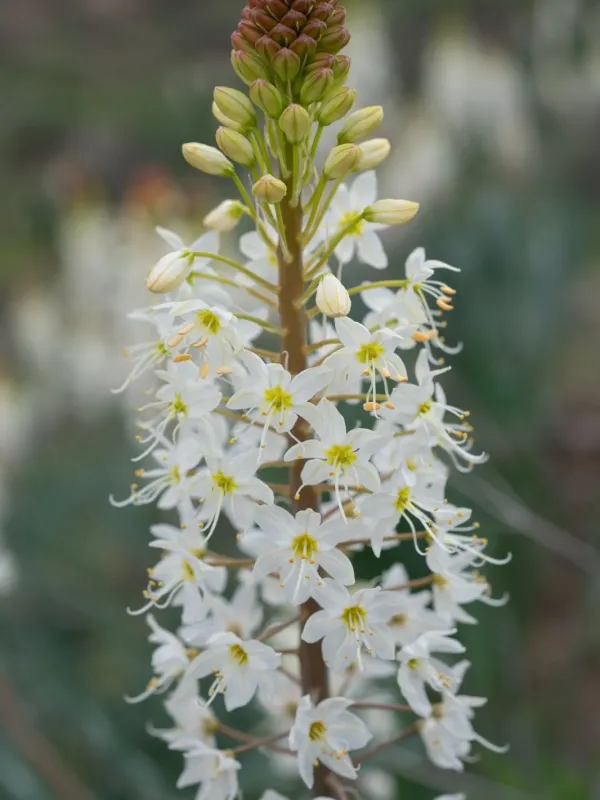
Description
Sowing dates
Eremurus isabellinus is a popular hybrid resulting from the crossbreeding of E. olgae and E. bungei. This striking perennial, belonging to the Asphodelaceae family, is prized in horticulture for its spectacular candle-like inflorescences that can reach significant heights.
Seed propagation is a lengthy and challenging process, often requiring several years for successful germination and maturation. Seeds are typically sown in late autumn to ensure they undergo the necessary stratification period during the winter months in open ground.
When sowing, it is essential to provide a well-prepared seedbed with loose, friable soil. Seeds should be buried at a shallow depth of about 1–2 centimeters, ensuring they remain undisturbed until the following spring, when the first narrow, grass-like leaves begin to emerge.
Vegetative propagation remains the most reliable and common method for gardeners. The thick, spider-like root system can be divided during the dormancy period in late summer, just after the foliage has naturally withered and turned brown.
Successful division requires caution to ensure that each section of the root system includes at least one active renewal bud. Damaging these buds can lead to failure in flowering or even the death of the division, necessitating careful handling during the transplanting process.
Growing requirements
Eremurus isabellinus thrives in open, sunny locations with excellent drainage. Exposure to full sunlight is essential for the development of sturdy stalks and the accumulation of energy in the storage roots, which is vital for the following year's performance.
The soil should be fertile, light, and sandy, with a neutral to slightly alkaline reaction. Heavy, clay-rich soils must be amended with organic matter and drainage materials like gravel or coarse sand to prevent the dangerous accumulation of moisture around the roots.
Climate management is crucial for this species, as it prefers hot, dry summers. During the post-flowering period, it is beneficial to keep the root zone relatively dry to simulate the natural mountain habitat from which its parent species originate.
Adequate watering is only required during the active spring growth phase. Once the plant enters its summer dormancy, watering should be strictly minimized to prevent root rot, which is the leading cause of plant loss in cultivated environments.
Winter protection is recommended in colder climates, specifically in regions with severe frosts and little snow cover. A layer of dry mulch, such as pine bark or straw, helps stabilize soil temperatures and protects the delicate crown of the plant from freeze-thaw cycles.
Main diseases and pests
The primary threat to Eremurus isabellinus is root rot, triggered by poorly drained soil or excessive irrigation during the dormancy stage. Maintaining a slope or a raised bed is an effective preventive measure against fungal pathogens that thrive in waterlogged conditions.
Rust is a common fungal disease that affects the foliage, often appearing as reddish-brown spots. Regular inspections and the application of copper-based fungicides during the growing season can help manage the spread of infection and protect the plant's health.
Insects such as aphids can congregate on the flower spikes, sucking sap and potentially transmitting viral diseases. Early intervention with insecticidal soap or neem oil is usually effective in controlling infestations before they impact the quality of the blooms.
Soil-dwelling pests like wireworms or mole crickets can cause significant damage to the fleshy root system. Incorporating organic pest control methods or using soil drench treatments can mitigate the risks posed by these underground threats.
- Viral mosaics — if leaves show yellowing or distorted patterns, the plant should be removed and destroyed to prevent spreading to healthy specimens.
- Rodent damage — field mice often seek out the fleshy roots in winter, requiring the use of protective wire mesh baskets during the initial planting phase.