
Winter aconite
Eranthis hyemalis (L.) Salisb.
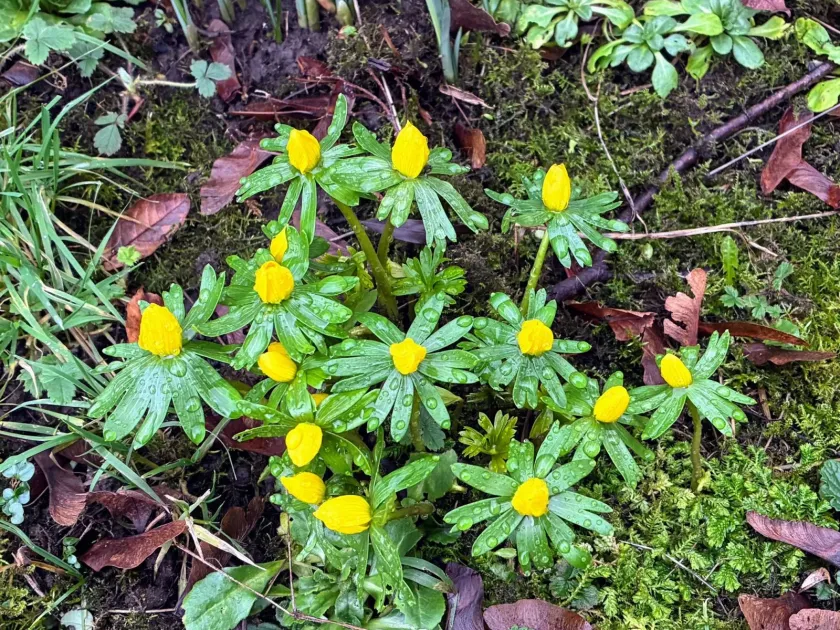
Description
Sowing dates
Winter aconite propagates mainly vegetatively by dividing tubers, or by seeds. The best time to plant tubers is late summer or early autumn, when the plant is dormant.
When propagating by seed, sowing is performed immediately after harvest in open ground. Seeds require natural stratification during winter to ensure uniform germination in the spring.
Tubers are planted at a depth of 5–7 centimeters. The distance between individual plants should be at least 10 centimeters to ensure healthy development.
It is important to select sites where the plant will remain undisturbed for several years. Winter aconite prefers stability and does not tolerate frequent transplanting.
Before planting, the soil should be enriched with organic matter, which provides a favorable environment for the rooting and growth of this perennial bulbous plant.
Growing requirements
Winter aconite belongs to the Ranunculaceae family and is an ephemeral plant adapted to early flowering in temperate climates.
The plant prefers loose, fertile, well-drained soils. Waterlogging during the winter-spring period is destructive for the tubers and can lead to rotting.
The crop requires areas with good sunlight in early spring, before trees develop leaves. In summer, the plant enters a dormant phase, making shade during the hot season acceptable.
The plant is frost-resistant, but it requires a stable snow cover in regions with harsh winters to prevent damage to the dormant buds.
During the active growing season, moderate watering is necessary if spring is dry, but once the dormant phase begins, irrigation should be stopped completely.
Main diseases and pests
The main threat to winter aconite is fungal disease caused by excessive soil moisture. Various types of rot can attack the tubers, making the plant non-viable.
Among pests, rodents cause the most damage by feeding on juicy tubers during the winter dormancy period. Using protective mesh during planting is highly recommended.
Slugs and snails can damage young shoots at the beginning of the growing season by eating the leaves and flower stalks.
Viral diseases occur less frequently, but infected plants should be removed and destroyed immediately to prevent the spread of infection to neighboring plants.
- Regular soil aeration to prevent compaction
- Maintaining proper spacing during planting
- Strict moisture control during the dormant period