
Eragrostis orcuttiana
Eragrostis orcuttiana
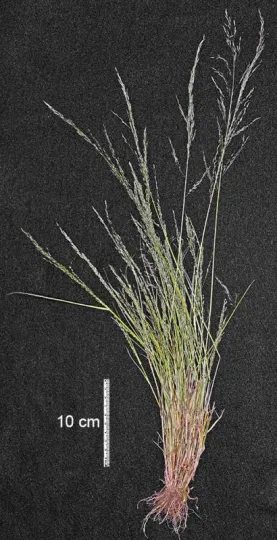
Description
Sowing dates
Sowing of Eragrostis orcuttiana is best performed in the spring season when soil temperatures consistently reach 15–18 degrees Celsius. Due to the very small size of the seeds, they should be planted at a shallow depth of no more than 1–1.5 centimeters.
Preparation of a fine, firm seedbed is essential for successful germination. Ensuring good soil contact is critical, as the small seeds can easily dry out if left in loose or cloddy soil structures.
The seeding rate typically ranges from 5 to 10 kilograms per hectare depending on the sowing method. Precision drills are recommended to ensure uniform distribution and to avoid overcrowding of the plants.
Rolling the soil after sowing is a standard practice that helps maintain soil moisture around the seeds. This step significantly improves the establishment rate of the crop under variable field conditions.
Once established, the seedlings demonstrate rapid growth, allowing the crop to quickly form a dense canopy that helps in suppressing weed competition during the early stages of development.
Growing requirements
Eragrostis orcuttiana belongs to the Poaceae family and is recognized as a heat-loving, perennial grass. It is well-adapted to semi-arid environments and exhibits remarkable drought tolerance throughout its growth cycle.
This grass thrives in well-drained sandy or sandy-loam soils. While it prefers fertile conditions, it is known for its ability to tolerate poor and slightly saline soils, making it a candidate for land reclamation projects.
Full sunlight is a prerequisite for optimal growth and development. The species functions best in environments where temperatures range between 25 and 35 degrees Celsius during the peak of the growing season.
Fertilization with moderate nitrogen levels encourages vigorous biomass production. However, it is important to avoid excessive nitrogen, as it may reduce the plant's resilience to harsh climatic stresses.
Proper aeration of the soil is beneficial for the root system. Periodic cultivation or mechanical loosening of the soil between rows can enhance nutrient uptake and overall crop performance in heavier soil types.
Yield
The biomass yield of Eragrostis orcuttiana is highly dependent on water availability and soil fertility. With appropriate irrigation, the crop can yield significant amounts of forage, often reaching up to 12 tons of dry matter per hectare.
The crop is known for its excellent regrowth potential after mowing or grazing. This characteristic allows for multiple harvests within a single growing season, providing a reliable source of green fodder.
Nutritional quality is maintained by timing the harvest correctly. Mowing during the boot stage to early heading stage ensures the highest protein content and digestibility for livestock consumption.
Seed production is another viable output of this crop. Managing fields for seed allows farmers to produce high-quality seeds for expanding their operations or for commercial distribution.
To maximize yields, a systematic approach involving timely fertilization and effective weed management is necessary throughout the entire vegetation period of the grass.
Main diseases and pests
The species generally maintains a strong natural resistance to many common pests. However, high humidity and poor drainage can lead to the development of fungal infections on the leaves and stems.
Insects like aphids may occasionally infest the plants, particularly during periods of intense heat or drought. Biological control methods are often sufficient to manage these populations without the need for heavy chemical applications.
Root rot is a potential risk associated with waterlogged conditions. Selecting sites with good drainage and avoiding excessive irrigation are the primary preventive measures for this issue.
Weed pressure can be a challenge during the first year of establishment. Once the stand is fully matured, the dense root system and canopy cover effectively prevent most invasive weeds from gaining a foothold.
Eragrostis orcuttiana is valued for its overall hardiness, which reduces the necessity for intensive maintenance and chemical protection, making it a sustainable choice for many agricultural systems.
Harvesting
Harvesting for hay should be conducted during the boot stage to ensure a high-quality product. Using mowers with conditioners speeds up the drying process and preserves the leaf quality of the hay.
Rotational grazing is recommended when the grass is utilized as a pasture. Keeping the stubble at a height of 5–7 centimeters is crucial for maintaining the vigor and rapid recovery of the plant stand.
Seed harvesting is carried out via direct combining when the seed heads reach maturity. Timing is essential, as the seeds have a tendency to shatter if harvested too late in the season.
Post-harvest handling includes cleaning and drying the seeds to a moisture content of 10–12%. Storing seeds in a cool, dry environment ensures high germination rates for future planting cycles.
Incorporating crop residues back into the soil serves as an effective way to return organic matter to the field, supporting soil structure and long-term fertility for subsequent planting seasons.