
Eragrostis lugens
Eragrostis lugens
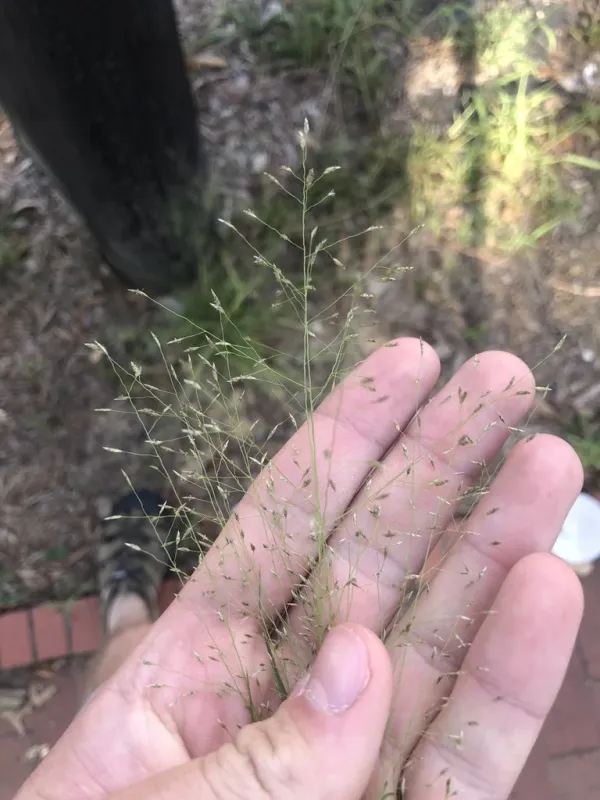
Description
Sowing dates
Sowing Eragrostis lugens is typically performed in the spring once the soil temperature is consistently above 12–15 degrees Celsius. Due to the small size of the seeds, a shallow sowing depth is essential to ensure high germination rates.
Proper seedbed preparation is critical; the soil should be fine-textured and firmly packed after seeding to maintain moisture levels necessary for initial development.
Seeding rates are adjusted based on the intended use, whether for pasture development, hay production, or soil conservation purposes.
Initial irrigation or favorable rainfall immediately after planting is vital to facilitate the establishment of seedlings and promote a robust root system.
As a perennial crop, Eragrostis lugens does not require annual replanting, making it a cost-effective choice for long-term land management projects.
Growing requirements
Belonging to the Poaceae family, Eragrostis lugens is recognized for its ability to thrive in various environments, showing particular resilience in arid climates.
The crop performs best in well-drained, sandy loam or loamy soils. It is highly sensitive to waterlogged conditions, making proper soil drainage a key prerequisite for success.
High solar intensity is required for the plant to achieve its maximum biomass potential and to produce healthy, nutrient-rich foliage.
Fertilization should be managed carefully, with a focus on potassium and phosphorus to support structural integrity and winter hardiness of the plants.
The plant displays remarkable drought tolerance, which makes it an excellent candidate for agricultural land prone to sporadic water scarcity.
Yield
Eragrostis lugens is primarily utilized as a forage crop, providing significant biomass for livestock grazing or hay production during the peak growing season.
The yield of green matter remains consistent when managed correctly, with the potential for multiple cuts throughout the season in favorable growing conditions.
The nutritional quality is highest during the vegetative stage; thus, timely harvesting is necessary to capture the best balance of protein and structural fibers.
The grass is highly palatable to cattle and sheep, contributing to better weight gain and improved livestock performance when integrated into grazing systems.
Beyond forage, the extensive root system of Eragrostis lugens provides significant soil stabilization benefits, reducing erosion in vulnerable landscapes.
Main diseases and pests
Fungal diseases like rust and powdery mildew represent the primary threats, especially in humid conditions where air circulation is restricted.
Pest pressure from various grass-feeding insects can occur during the establishment phase, requiring regular field scouting and early detection.
Cultural control methods, such as maintaining optimal planting density and ensuring good field hygiene, are effective in minimizing disease outbreaks.
Integrated pest management strategies are preferred to maintain the ecological balance of the field while protecting the crop from major damage.
Proper harvest management, including the removal of crop residues, helps break the disease cycle and prevents the overwintering of pathogens.
Harvesting
Hay harvesting should be executed at the early heading stage to ensure the highest forage quality and prevent the crop from becoming too fibrous.
Machinery settings should be adjusted to leave a sufficient stubble height, which facilitates faster regrowth and protects the health of the perennial crowns.
When harvesting for seed production, direct combining is the standard method used when the seeds reach full maturity and display a characteristic color change.
Drying procedures must ensure that moisture content is reduced to safe levels, preventing spoilage during storage and preserving the quality of the harvest.
Field management post-harvest ensures that the plants are ready for the winter dormancy period and maintains high productivity for the following year.