
Eragrostis lingulata
Eragrostis lingulata
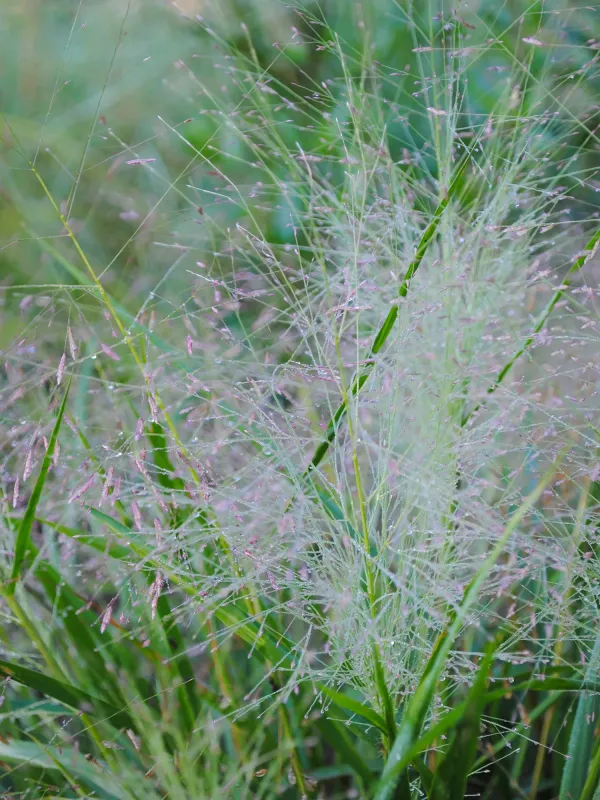
Description
Sowing dates
Eragrostis lingulata is a warm-season crop; therefore, it is essential to sow the seeds only after the soil has warmed up to at least +15...+18°C, ensuring optimal conditions for germination.
The best sowing window generally falls in late spring or early summer, allowing the plants to establish themselves quickly while taking advantage of the rising temperatures.
Drill seeding or narrow-row spacing of approximately 15 cm is recommended to ensure a uniform stand and high plant density, which helps to suppress weeds effectively.
Due to the small size of the seeds, they should be sown shallowly, ideally at a depth of 1–2 cm. Proper field rolling after sowing is crucial to ensure good seed-to-soil contact.
When producing seeds, sowing rates should be adjusted downwards to provide individual plants with more space, which encourages vigorous growth and higher seed yields.
Growing requirements
As a member of the Poaceae family, this crop is highly adaptable to intense sunlight and thrives best in open fields with full solar exposure throughout the growing season.
The plant is versatile regarding soil types but shows superior performance in well-drained sandy loam or loamy soils that prevent waterlogging.
Eragrostis lingulata is highly drought-tolerant, utilizing an efficient root system that allows it to access moisture even in the deeper soil profiles during dry spells.
While the plant has moderate fertility requirements, it shows a positive response to nitrogen fertilization, which is key to maximizing the vegetative biomass yield.
It prefers a soil pH range of 5.5 to 7.5, making it a robust option for various agricultural landscapes that may not be suitable for less hardy cereal crops.
Yield
The overall biomass yield of Eragrostis lingulata is highly dependent on proper crop management, adequate moisture availability, and well-timed harvesting cycles.
Strategic use of fertilizers can significantly boost green matter production, providing a reliable source of nutritious feed for livestock during the hotter months.
Under optimal conditions, the crop can provide two or more cuts per season, significantly increasing the total agricultural output per hectare of land.
Seed yield varies depending on the weather conditions during the flowering and grain-filling stages, as well as the efficiency of the harvest to minimize shedding.
Its ability to remain productive during hot, arid years makes it a valuable asset for farmers seeking stability in their forage production systems.
Main diseases and pests
Eragrostis lingulata possesses natural resistance to many common cereal pathogens, largely due to the specific chemical composition of its tissues.
Soil-borne pests, such as wireworms, present the primary threat to the crop during the germination and early seedling stages, potentially thinning the stand.
Poor soil drainage can lead to issues with root rot, which, although rare in well-managed fields, can become a problem if the field is consistently waterlogged.
Occasional infestations of cereal flies can occur, which may target the growing points of the young plants, necessitating careful field monitoring during early development.
- Wireworms
- Cereal flies
- Root rot (associated with waterlogging)
Harvesting
For high-quality forage or hay, the best time to harvest is at the beginning of the flowering stage, ensuring an ideal balance between biomass volume and nutrient density.
Swift wilting of the mown material in swaths is necessary to preserve vitamins and prevent nutritional degradation caused by excessive exposure to sunlight.
Seed harvesting requires precision as the mature seeds are prone to shattering; thus, harvesting should occur when moisture levels are low and the seeds are fully ripened.
Adjusting combine harvester settings is vital, particularly the threshing drum speed, to avoid damaging the small seeds during the extraction process.
Post-harvest processing involves thorough cleaning of the seeds and drying them to a moisture content of 12-13% to ensure stable storage and high viability for future planting.