
Eragrostis kennedyae
Eragrostis kennedyae
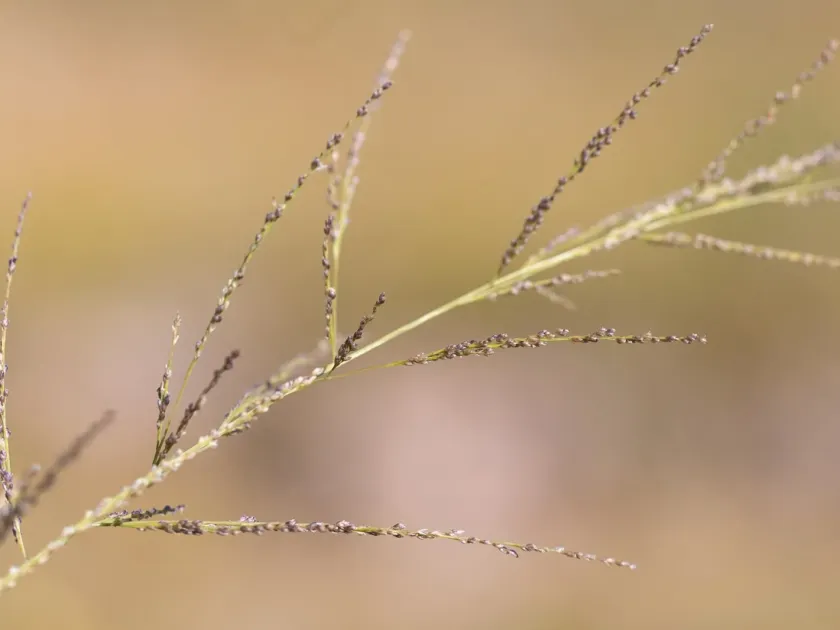
Description
Sowing dates
Sowing Eragrostis kennedyae should be conducted when soil temperatures reach a consistent range of 15–20°C to ensure rapid germination. Proper seedbed preparation is vital, requiring a fine, firm, and weed-free surface to support the small seeds.
The seeds should be sown at a shallow depth of approximately 1 to 2 centimeters. Because they are tiny, deep sowing can lead to poor emergence rates, so precise depth control during the planting process is essential for achieving a uniform stand.
The recommended seeding rate varies between 6 and 10 kilograms per hectare, depending on local soil conditions and moisture levels. Utilizing specialized seed drills helps in distributing the seed evenly across the field, reducing competition between seedlings.
Spring is generally the preferred time for sowing, allowing the grass to establish its root system before the onset of summer heat. If adequate irrigation is available, late summer or early autumn sowing may also be considered in certain climate zones.
Control of competitive weeds during the establishment phase is critical. Since this grass grows slowly in its early stages, pre-sowing herbicide treatments or mechanical weed control are necessary to ensure the crop is not overtaken by unwanted vegetation.
Growing requirements
Eragrostis kennedyae is a member of the Poaceae family, known for its significant adaptability to semi-arid climates. It is a perennial grass that thrives in conditions where moisture availability is often irregular, making it a robust choice for certain regions.
The crop prefers well-drained sandy or loamy soils. It cannot tolerate waterlogging, which makes site selection important; heavy, clay-based soils that retain water are typically unsuitable for its long-term health and growth.
Sunlight exposure is a primary requirement for the plant's development. Being a heliophilous species, it needs full sun to maximize its photosynthetic potential, grow its biomass efficiently, and produce nutritious forage for livestock.
The plant is highly responsive to high temperatures and performs best in environments with a growing season characterized by 22–30°C. While it shows some cold tolerance, extreme frosts can damage the foliage and slow down early spring regrowth.
Nutritional needs are moderate, but the plant benefits greatly from nitrogen applications at the beginning of the growth phase. Maintaining balanced levels of phosphorus and potassium is equally important to support root strength and overall stand longevity.
Yield
The yield of Eragrostis kennedyae is highly dependent on effective crop management and fertility levels. Under optimal conditions, growers can achieve between 3 to 5 tons of dry matter per hectare per season, providing a valuable source of forage.
Depending on the climatic zone and moisture availability, the grass can support one to three cuts per season. It is characterized by excellent regrowth potential, allowing for multiple harvests if managed with proper cutting intervals.
Productivity remains stable if the plant is not overgrazed or harvested too frequently. Over-exploitation of the stand can weaken the root system and reduce the vigor of the plant, potentially shortening the lifespan of the perennial field.
Timely harvest is the most significant factor affecting the quality of the harvested biomass. Cutting the grass before it enters the reproductive phase ensures higher protein content and digestibility, which is essential for healthy livestock nutrition.
Regular monitoring of field productivity allows for the adjustment of fertilization schedules. By applying nutrients after each harvest, farmers can maintain the high output of the grass for several years, ensuring long-term profitability.
Main diseases and pests
Fungal diseases are the primary threat, particularly in humid or stagnant conditions. Rust and leaf spot infections can significantly impair the photosynthetic apparatus, leading to reduced growth and poor overall quality of the forage.
Pests such as aphids and various grass-feeding insects can cause damage during the active growing phase. Integrated pest management strategies, including regular field inspections, are required to prevent large-scale infestations and crop loss.
Root rot often occurs if the field suffers from drainage issues or prolonged waterlogging. This condition weakens the plant significantly, creating open patches in the field that are subsequently vulnerable to invasion by weeds and invasive species.
Viruses transmitted by insect vectors can cause stunted growth and leaf discoloration. Good field sanitation, including the removal of weeds that act as alternate hosts, is essential to minimize the risk of viral spread across the crop.
Maintaining proper plant density and ensuring good air circulation within the canopy are effective preventative measures. These practices reduce the humidity around the base of the plants, thereby creating a less favorable environment for disease development.
Harvesting
Harvesting for hay should be timed for the early heading stage. This stage offers the best compromise between total biomass volume and the concentration of nutrients, ensuring the final hay product is both voluminous and highly nutritious.
Mechanical harvesting with swathers or mowers allows for efficient drying of the crop. Once the moisture content drops below 18%, the hay should be baled and moved to a storage facility to prevent quality loss due to external moisture or mold.
Seed harvesting requires precision to ensure the small seeds are collected without excessive shattering. Combining at lower speeds is recommended to maintain the integrity and purity of the seed batch, which is essential for its marketability.
Post-harvest logistics should be streamlined to get the forage into storage immediately. This helps retain the natural color, aroma, and vitamin content of the hay, which are strong indicators of quality for buyers and livestock managers alike.
After the final cut of the season, it is advisable to remove any remaining crop debris. This practice helps the grass prepare for winter dormancy, reduces the overwintering of pathogens, and sets the stage for a vigorous start in the next spring.