
Eragrostis inamoena
Eragrostis inamoena
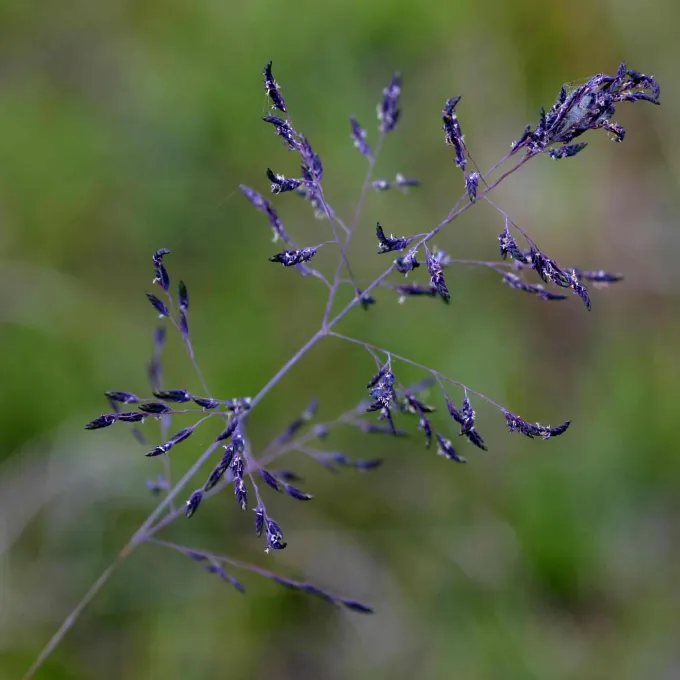
Description
Sowing dates
Sowing Eragrostis inamoena should be carried out during the spring when the soil temperatures consistently reach 15-18 degrees Celsius. Ensuring good soil-to-seed contact is vital, as the seeds are quite small and prone to drying out if left too shallow on loose soil.
Preparing the seedbed requires deep tilling followed by surface leveling to ensure an even distribution of seeds. Planting in rows with spacing of 15 to 30 centimeters is the recommended method to simplify field maintenance and facilitate weed control.
The sowing depth should not exceed 1-2 centimeters to allow the seedlings to emerge efficiently without exhausting their energy reserves. Shallow placement is essential for quick germination under typical field conditions.
Rolling the field immediately after sowing is a critical step that improves the capillary rise of water to the seedbed. Under optimal conditions, seedlings usually emerge within 10 to 14 days following the initial irrigation or rainfall.
During the first month of development, weed competition can significantly suppress the growth of young grasses. Manual or mechanical weeding between rows is advised until the canopy closes to provide natural shade against weeds.
Growing requirements
Eragrostis inamoena is a member of the Poaceae family, known for its remarkable resilience and adaptation to arid and semi-arid environments. It thrives best in full sun, where high light intensity maximizes its photosynthetic capacity.
This grass is highly adaptable to various soil types, performing well even in sandy, gravelly, or nutrient-poor substrates. It grows optimally within a soil pH range of 5.5 to 7.5, making it suitable for a wide range of agricultural landscapes.
While drought-tolerant, the crop responds positively to occasional irrigation during active growth phases. Proper drainage is essential, as the plant does not tolerate waterlogging, which can lead to root rot and reduced plant vigor.
Fertilization with balanced nitrogen-based inputs during the tillering stage helps to boost biomass production significantly. Phosphorus and potassium applications are recommended to strengthen the root system and enhance overall winter hardiness.
The deep and fibrous root system of this species makes it an excellent choice for soil stabilization and erosion control on sloped terrains. It effectively anchors the soil, reducing nutrient leaching and topsoil loss.
Yield
The biomass yield of Eragrostis inamoena is highly dependent on effective management and the frequency of harvesting. Under ideal agronomic conditions, the crop can provide multiple high-quality cuts within a single growing season.
This species is highly valued as a reliable forage source in regions where other crops struggle due to heat or moisture stress. The nutritional quality of the forage remains high if harvested before the stalks become overly fibrous.
Rapid regrowth after harvesting is a key biological feature of this grass, ensuring a steady supply of fodder. Proper cutting heights should be maintained to prevent damage to the crown, which supports long-term productivity.
Applying split doses of nitrogen fertilizer after each cutting cycle significantly stimulates faster recovery and increases the annual yield. This practice ensures a high-density stand that remains productive over several years.
The productivity of the stand usually remains consistent for 4 to 5 years. After this period, overseeding or re-establishment is recommended to maintain the genetic purity and vigor of the forage stand.
Main diseases and pests
Fungal diseases are the primary threats to this crop, especially in areas with high humidity or poor air circulation. Rust infections on the foliage can reduce the aesthetic quality and nutritional value of the harvested hay.
Pests such as grass bugs and leafhoppers may target young seedlings, causing localized damage. Early detection through regular field scouting is essential to manage pest populations before they reach critical levels.
Weeds pose a constant threat by competing for moisture and sunlight during the critical establishment phase. Integrated pest management strategies, including selective herbicides, should be employed to protect the crop stand.
Improper grazing management, such as overgrazing, can lead to soil compaction and damage to the root crowns. Implementing rotational grazing patterns allows the grass to recover and reduces the risk of long-term damage.
Storage management is crucial for the harvested crop; hay must be dried to below 16 percent moisture to prevent mold growth. Mycotoxins produced by mold can be harmful to livestock, making proper storage facilities essential.
Harvesting
Harvesting should ideally begin during the early boot stage or just as flowering commences, when the nutrient content is at its peak. This timing ensures the best balance between dry matter yield and digestibility.
Using mower-conditioners is highly recommended to speed up the drying process. Conditioning the stems allows moisture to escape more rapidly, reducing the time the forage must remain in the field.
Turning the swaths periodically during the curing process promotes uniform drying. Minimizing exposure to rainfall during the curing stage is vital to preserve the green color and protein levels of the forage.
Silage production is a viable alternative for periods when weather conditions do not allow for hay drying. Using biological inoculants during ensiling can improve fermentation and retain more nutrients.
After the harvest, clearing the field of debris helps in reducing the overwintering of pathogens. Properly managing crop residues ensures a clean start for the next cycle of the plant's development.