
Eragrostis hirsuta
Eragrostis hirsuta
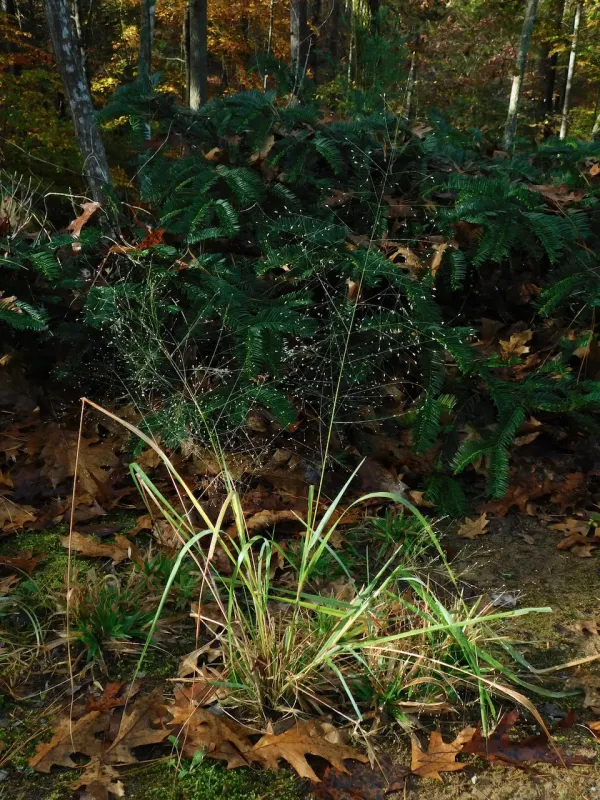
Description
Sowing dates
Eragrostis hirsuta is a warm-season perennial grass, making it essential to time the sowing process when soil temperatures have consistently reached at least 18-20 degrees Celsius.
Due to the extremely small size of the seeds, they must be sown at a shallow depth of no more than 1 to 2 centimeters to ensure successful germination and emergence.
Row planting is highly recommended to establish a strong root system, providing enough spacing for individual plants to bush out and cover the soil surface effectively over time.
Preparation of the seedbed is critical; the soil must be firm, level, and free of debris to prevent the seeds from being buried too deeply or washed away by initial rains.
It is best to sow in late spring or early summer to avoid late frost risks, as the seedlings are quite tender and sensitive to cold weather during the early stages of growth.
Growing requirements
This species thrives in well-drained, sandy, or coarse-textured soils and is remarkably capable of flourishing in nutrient-poor conditions where other grasses often struggle.
As a highly drought-tolerant crop, Eragrostis hirsuta is an excellent candidate for regions with scarce rainfall, significantly outperforming many common pasture grasses in arid climates.
The plant requires full sun exposure and will perform poorly or decline in health if shaded by trees, shrubs, or dense canopy cover from other agricultural crops.
It is not particularly demanding regarding soil pH, showing versatility across various environments, though neutral to slightly acidic soils typically yield the best results.
While the crop is resilient, minimal inputs of nitrogen-based fertilizers on very degraded soils can help accelerate initial biomass production without compromising the plant's natural vigor.
Yield
The biomass yield of Eragrostis hirsuta is highly dependent on effective water management and soil preparation, often producing high yields of quality forage under moderate heat.
As a perennial crop, it provides a consistent annual yield over several years, making it an efficient choice for long-term pasture management or soil stabilization projects.
The production cycle peaks in mid-to-late summer, when the grass rapidly accumulates vegetative matter, allowing for potentially multiple harvests within a single growing season.
Yield stability is one of its primary strengths, as it maintains productivity even during periods of limited moisture when other forage species may become dormant.
Farmers can expect optimal forage quality when the crop is harvested before it reaches full maturity, as early-stage harvesting preserves higher protein and sugar content.
Main diseases and pests
Pathogenic threats include various rust fungi that can infect the leaf tissue, especially during humid summer months when air circulation within the canopy is restricted.
Agricultural pests, such as aphids and various grass-feeding bugs, can occasionally infest the stands, leading to leaf yellowing and a reduction in overall pasture health.
Root rot and crown diseases are primarily issues related to poor site selection, specifically in areas where stagnant water creates an environment prone to fungal development.
Weed competition during the first year of establishment is the most significant threat to the crop, as young plants need time to secure their place against faster-growing weeds.
- Implementation of integrated pest management
- Regular monitoring of foliage health
- Adequate site drainage planning
- Strategic crop rotation
Harvesting
For high-quality hay production, harvesting should take place during the boot stage or early flowering, ensuring that the plant's nutritional profile is maximized for livestock feed.
Cutting height is important; mowers should be adjusted to keep at least 5-7 centimeters of stubble, which protects the plant's crown and promotes faster regrowth.
Rapid drying is essential during the haymaking process to prevent nutrient leaching and mold development, particularly because the stems are fibrous and can retain moisture.
Seed harvesting requires careful timing; the seed heads should be allowed to mature until they turn a brownish hue, followed by threshing under dry, low-humidity conditions.
Storage of the harvested biomass should be conducted in well-ventilated areas to prevent overheating, which can degrade the quality of the forage throughout the winter months.