
Eragrostis fascicularis
Eragrostis fascicularis
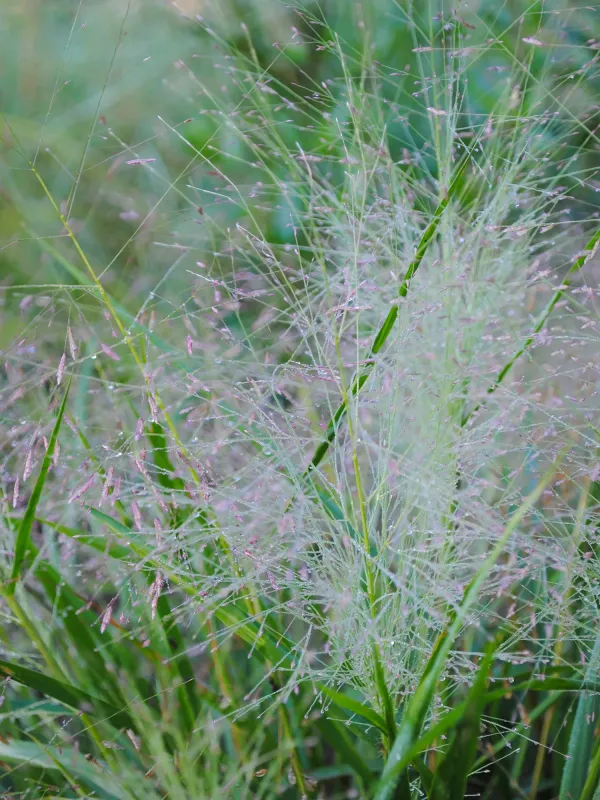
Description
Sowing dates
Sowing Eragrostis fascicularis is conducted in the spring when soil temperatures reach 12-15 degrees Celsius. The optimal window is usually from late April to early May, ensuring that seedlings benefit from spring moisture.
Seed depth should be kept minimal due to the small size of the seeds. It is recommended to sow at a depth of 0.5 to 1.5 centimeters, depending on soil type and moisture levels at the time of planting.
Seeding rates depend on the specific planting method and the intended use of the crop. A standard drill method with 15-20 centimeter row spacing is typically used to achieve an optimal stand density.
Post-sowing soil compaction is a critical step for success. Rolling the field ensures good seed-to-soil contact, which accelerates germination and promotes more uniform stand establishment across the area.
The field must be kept weed-free until the grass canopy closes. This phase is essential for allowing the crop to establish a competitive advantage and avoid nutrient starvation from surrounding weeds.
Growing requirements
Eragrostis fascicularis is a thermophilic plant that thrives in high temperatures and full sunlight. It is well-adapted to arid conditions, making it a reliable candidate for regions with hot, dry summers.
The crop prefers well-drained, light sandy or sandy-loam soils. It shows remarkable resilience on poor soils where other forage grasses often struggle to maintain their productivity and health.
Belonging to the Poaceae family, the plant features a robust and extensive root system. This biological trait is highly beneficial for soil stabilization, as it helps prevent wind and water erosion in vulnerable fields.
Adequate moisture during the active tillering phase is necessary for healthy development. While it is highly drought-tolerant, supplemental irrigation can significantly increase biomass yields in dry climates.
Waterlogging and poor drainage are detrimental to the crop. Soils prone to prolonged saturation will quickly cause root rot, leading to poor stand survival and overall diminished agricultural productivity.
Yield
Yield capacity is highly dependent on agricultural inputs and mineral fertilization practices. Strategic nitrogen applications during the early vegetative stage can significantly boost the dry matter output per hectare.
Under favorable management, the crop supports multiple cuts throughout a single growing season. The first harvest is typically timed at the booting stage to maximize the protein content and nutrient digestibility.
The utility of this crop spans beyond hay production to include managed grazing. Its quick recovery after grazing makes it a highly valuable component of rotational pasture management systems.
With intensive management and proper soil fertility maintenance, biomass yields for this species are competitive with other perennial grasses used for similar forage purposes in warm climates.
The ultimate feed quality is closely tied to harvest timing. Delaying the harvest results in higher fiber content and lower digestibility, which negatively impacts the nutritional value for livestock.
Main diseases and pests
Typical pests affecting this crop include orthopterans such as grasshoppers. High populations can severely defoliate the stand, leading to stunted growth and reduced photosynthetic capacity.
In high humidity and heat, the crop may be susceptible to fungal diseases like powdery mildew or grass rust. Preventive management includes optimizing stand density to ensure adequate airflow.
Root rot issues primarily arise from overwatering or poorly drained soils. Symptoms include yellowing leaves and general wilting, which should be addressed by adjusting irrigation practices immediately.
Leafhoppers and other sucking insects can act as vectors for viral pathogens. These infections can result in morphological deformities in the inflorescence, subsequently reducing overall seed yield.
Integrated weed management is crucial for the success of this crop. While selective herbicides can be used, the best defense is the establishment of a dense, healthy stand that outcompetes potential weed species.
Harvesting
Hay harvesting is recommended at the onset of flowering when the plant reaches its peak nutritional quality. At this stage, the stems remain soft and palatable while leaves contain the highest vitamin levels.
Proper drying is essential, which requires regular raking to allow uniform moisture evaporation. Fast drying in windrows helps preserve the grass's natural color and prevents the breakdown of essential nutrients.
For haylage production, harvesting should be performed earlier, during the booting stage. This ensures a high-quality forage with an optimal sugar-to-protein ratio, which is ideal for fermentation processes.
Grazing should be organized in paddocks to prevent overgrazing. Rotational grazing allows the crop sufficient recovery time, ensuring consistent biomass production throughout the growing season.
Prior to winter dormancy, the plant must accumulate sufficient energy reserves in its rhizomes. Avoiding late-season harvests ensures that the crop survives winter temperatures without suffering from depletion.