
Eragrostis dielsii
Eragrostis dielsii
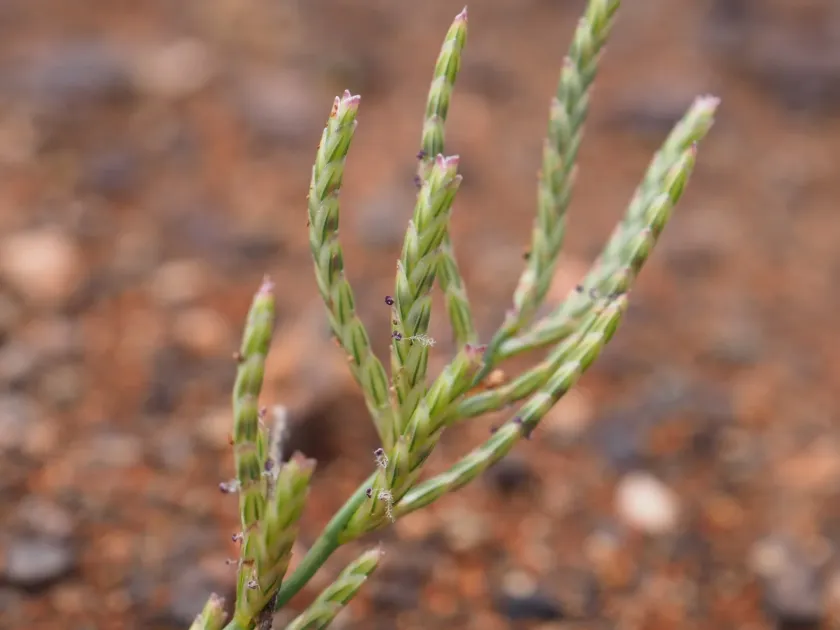
Description
Growing requirements
Eragrostis dielsii is a perennial grass species belonging to the Poaceae family. Native to the arid regions of Australia, this plant is remarkably adapted to harsh environmental conditions, making it an important focus for pastoral studies in drylands.
The plant exhibits high tolerance to drought and salinity, allowing it to thrive in nutrient-poor soils where other grasses fail to establish. Its growth habit includes deep-reaching root systems that extract moisture from subsoil layers even during extended dry spells.
Botanically, it features narrow, often rolled leaves and a tufted growth form. This morphology is an evolutionary adaptation designed to reduce transpiration and maximize water use efficiency in high-temperature environments.
Agricultural requirements are minimal, as the species is well-suited to sandy and rocky soil types. Eragrostis dielsii prefers high solar radiation and thrives in regions with limited annual precipitation, responding rapidly with growth after rain events.
Its primary use is as forage for livestock in extensive grazing systems. It provides essential biomass in arid rangelands, serving as a reliable food source for animals when more sensitive species go dormant.
Main diseases and pests
The primary threat to the longevity of Eragrostis dielsii stands is overgrazing. Excessive pressure from livestock consumption can deplete energy reserves stored in the plant's crown, leading to reduced vigor and long-term population decline.
Pests such as grasshoppers and other orthopterans can affect foliage density, particularly during outbreaks. However, the plant's tough texture and environmental toughness usually keep losses at manageable levels for pastoralists.
Diseases are infrequent in the arid climates where this grass is endemic. Fungal issues are rarely observed unless the plant is subjected to uncharacteristic periods of high soil moisture or poor drainage.
Management strategies should focus on rotational grazing to prevent soil exposure and erosion. Protecting the soil cover is vital for maintaining the competitive advantage of this grass against invasive weed species.
Monitoring for signs of plant stress and soil degradation is the most important agronomic practice. By ensuring the plants are not grazed during recovery cycles, producers can maintain a stable and productive forage supply for years.