
Eragrostis cumingii
Eragrostis cumingii
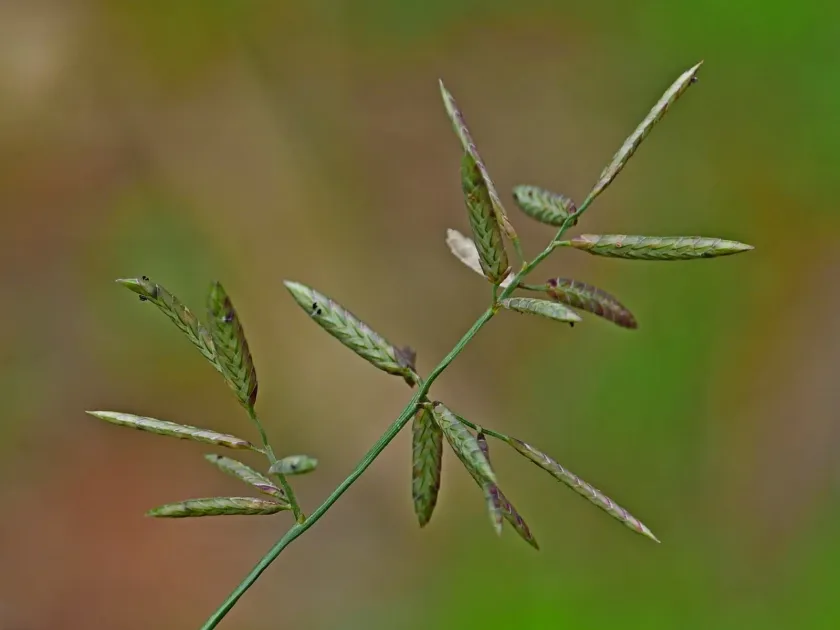
Description
Sowing dates
Sowing should be performed when the soil has sufficiently warmed up, usually well after the last frost of the spring season. Proper seedbed preparation is essential, ensuring the surface is clear of weeds and debris to allow for optimal seedling emergence.
The seeds of this species are quite small and should be sown either on the surface or at a very shallow depth. Lightly firming the soil with a roller after sowing is recommended to ensure good seed-to-soil contact for consistent germination.
Late spring or early summer is the ideal time for planting, provided that soil temperatures remain consistently above 15 degrees Celsius. This ensures the crop establishes its root system quickly and efficiently.
Row planting with spacing of 15 to 20 centimeters is standard practice to facilitate maintenance and ensure each plant has enough space to grow. Proper spacing also helps in managing weed pressure during the early development stages.
Adhering to a crop rotation plan is vital to prevent the buildup of soil-borne pathogens. Avoid planting on sites where other related grass species have recently grown to maintain soil health and reduce pest pressure.
Growing requirements
As a member of the Poaceae family, Eragrostis cumingii is known for its adaptability, though it thrives best in well-drained, sandy, or light loam soils. It is particularly well-suited to regions where the soil warms up quickly.
The crop is highly light-dependent and performs optimally in full sun conditions. It favors warm climates and requires sufficient moisture during active growth phases to reach its full production potential.
While it does not require extremely high fertility, balanced fertilization during the tillering stage can significantly boost biomass production. Maintaining a soil pH that is near neutral is beneficial for nutrient uptake.
Mechanical cultivation between rows is necessary to improve soil aeration and inhibit the growth of unwanted vegetation. This practice encourages deeper root penetration and stronger overall plant health during the vegetative stage.
The species possesses moderate drought tolerance, making it a viable candidate for regions with fluctuating rainfall. However, supplemental irrigation during dry spells can drastically improve the consistency of the yields.
Main diseases and pests
Fungal diseases are a primary concern, particularly during periods of high humidity and poor air circulation. Managing plant density and ensuring good field drainage are effective preventive measures against these infections.
Pests like aphids and thrips can cause damage to the foliage, which reduces the plant's overall energy production. Scouting the fields early and using targeted treatments when necessary can mitigate these issues.
Root rot is often associated with poor soil drainage or planting in overly cool, saturated conditions. Using high-quality, treated seeds is a recommended strategy to give the plants a strong, healthy start.
Competition from weeds is most intense during the establishment phase, making timely weeding a critical task. Integrated weed management, involving mechanical and chemical options, is usually employed in commercial settings.
Good agricultural practices, such as maintaining a clean environment and following established rotation cycles, provide the best defense against major threats. Regular monitoring throughout the growing season is essential for success.