
Eragrostis aethiopica
Eragrostis aethiopica
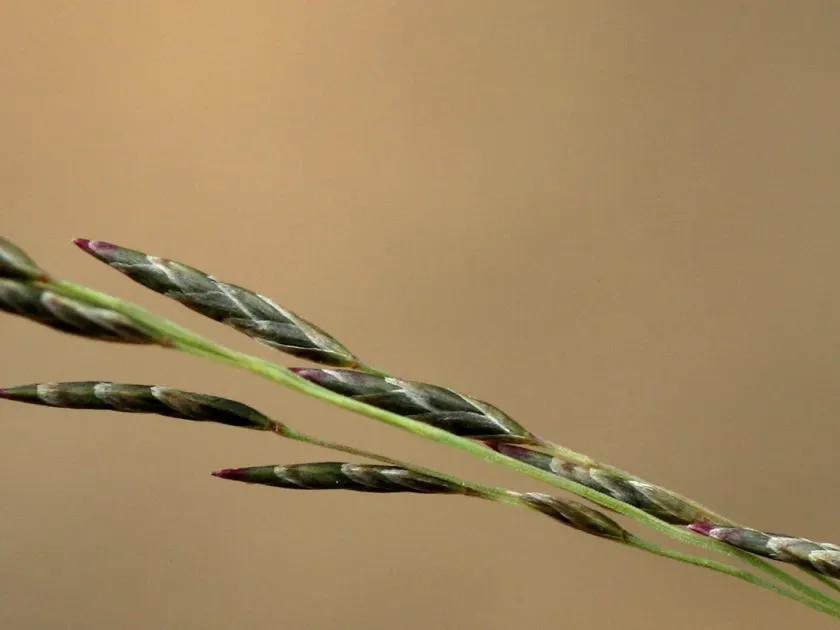
Description
Sowing dates
Sowing Eragrostis aethiopica is typically scheduled for the beginning of the rainy season, when soil temperatures consistently support germination. In tropical environments, this timing ensures that young seedlings receive adequate moisture during their critical establishment phase.
Given the very small size of the seeds, they should be sown at a shallow depth of no more than 0.5 to 1 centimeter. Proper seedbed preparation is essential to create a fine, firm structure that prevents the seeds from drying out while ensuring good soil-to-seed contact.
Farmers often use row planting methods to optimize the density of the stand. This approach provides each plant with enough space to access nutrients and sunlight, preventing excessive competition that could lead to stunted growth or poor yields.
Soil leveling before planting is a recommended practice to facilitate efficient mechanized harvesting later in the season. Uniform fields help maintain consistent crop height and reduce losses during the operation of harvesting machinery.
Post-sowing rolling of the field is common to enhance moisture retention in the top layer of the soil. This practice stimulates capillary movement, ensuring more uniform emergence across the entire field, even in regions with intermittent precipitation patterns.
Growing requirements
Eragrostis aethiopica is a heat-loving species belonging to the Poaceae family. It thrives in high-temperature environments, specifically in regions with intense solar radiation, which supports its rapid biomass accumulation and reproductive cycles.
The plant is versatile regarding soil types but performs best in well-drained loamy or sandy soils. While it exhibits tolerance to occasional dry spells, consistent soil moisture during the active vegetative stage is required to reach maximum yield potential.
It prefers a neutral to slightly acidic soil pH level. In highly acidic or saline soils, the plant’s nutrient uptake is hindered, leading to a noticeable reduction in growth rates. Soil testing and targeted amendments are advised for maximizing crop quality.
Optimal growth temperatures for this species range from 20 to 30 degrees Celsius. Exposure to frost or prolonged cold periods can be detrimental, often leading to physiological stress that inhibits further development and may cause significant damage to the crop.
Proper nitrogen fertilization is crucial for the development of leafy biomass. Balanced input of phosphorus and potassium is also recommended to strengthen the root system, improve overall plant resilience, and increase the sustainability of the crop during the season.
Main diseases and pests
Fungal diseases, particularly rusts that thrive in high humidity, are the primary threat to Eragrostis aethiopica. These pathogens infect the leaves, reducing the plant's photosynthetic capacity and ultimately causing yield losses if not managed promptly.
Pests such as aphids and various species of plant bugs can significantly weaken the crop by feeding on the sap of young shoots. This damage not only stunts growth but also creates entry points for secondary bacterial or viral infections.
Soil-borne pests like nematodes present a long-term challenge, especially in fields where crop rotation is neglected. These organisms attack the roots, causing the plants to wilt and making them more susceptible to drought and nutrient deficiencies.
Integrated pest management strategies are recommended, focusing on the use of clean seeds and crop rotation to break the life cycles of pests. Early detection through regular field scouting allows for targeted interventions, minimizing the need for extensive chemical use.
Maintaining clean fields free from competing weeds is vital, as weeds often act as hosts for various diseases and pests. A well-managed, vigorous crop is inherently more resistant to environmental stressors and biological threats.
Harvesting
Harvesting for seed production should occur when the seeds reach full maturity. Due to their small size, timing is critical to prevent pre-harvest loss caused by wind or mechanical agitation during the late stages of ripening.
Mechanized harvesting utilizes combine harvesters adapted for small-seeded grains. Careful adjustment of the drum speed and concave clearance is necessary to avoid damaging the seeds, which could adversely affect their future germination viability.
Post-harvest processing is essential to clean the seeds and reduce moisture content to a safe level of 12-14 percent. This ensures stable storage, preventing mold growth and heat build-up, which could degrade the quality of the harvested produce.
For forage production, the crop should be harvested at the beginning of the flowering stage to maximize nutrient quality. At this phase, the plant contains an ideal balance of protein and fiber, making it a highly nutritious choice for livestock feed.
Drying the forage requires careful management of environmental conditions to preserve the integrity of the leaves, which contain the majority of the nutrients. Proper aeration during the drying process is key to obtaining high-quality, long-lasting hay.