
Eragrostiella brachyphylla
Eragrostiella brachyphylla
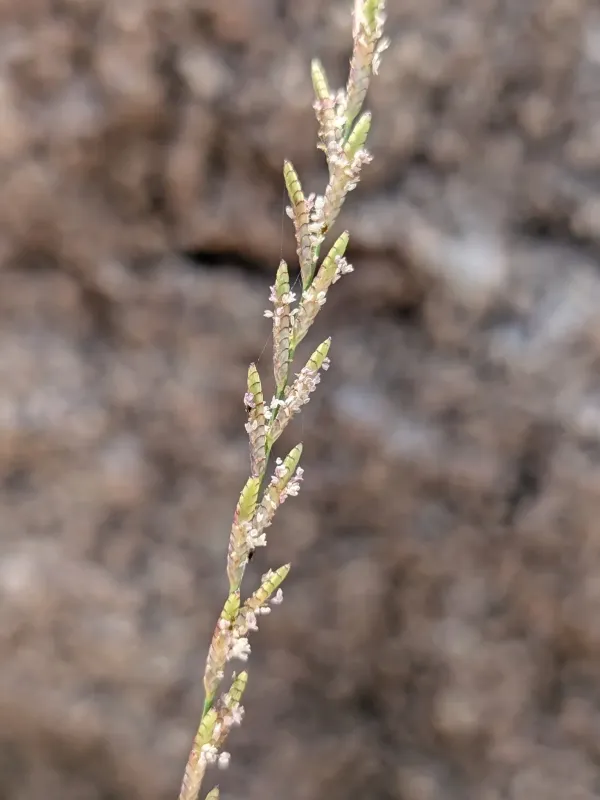
Description
Growing requirements
Eragrostiella brachyphylla is a perennial grass species belonging to the Poaceae family. It is characterized by its compact tufted growth habit and narrow, short leaves, which are structural adaptations to withstand environmental stress in its native habitats.
The origin of this species is traced to the tropical and subtropical regions of Asia, specifically India. It naturally thrives in well-drained, sandy, or rocky soils, demonstrating a high tolerance for nutrient-poor substrates and regions prone to seasonal moisture deficits.
Botanically, the plant is specialized for survival in harsh conditions. Its root system is designed to maximize water uptake in dry spells, while its growth morphology allows it to tolerate regular defoliation, making it suitable for grazing environments.
Regarding climatic and soil requirements, this crop favors warm temperatures and excellent soil aeration. It does not tolerate waterlogging, which often leads to root death and the decline of the plant stand, especially in heavy clay or compacted soils.
Its primary economic use is as a forage source for livestock in arid regions. Although it may not provide the high biomass of intensive cultivars, its presence ensures a stable supply of fodder when more sensitive crops fail due to drought.
Main diseases and pests
The most significant threats to Eragrostiella brachyphylla are fungal pathogens associated with excessive moisture. Root rot and leaf spot diseases are common when humidity remains high for extended periods, particularly in improperly drained areas.
Insect pests such as grasshoppers can cause severe damage during the peak growing season. These herbivores are attracted to the green biomass and can significantly reduce the grazing capacity of the fields if populations go uncontrolled.
Management of these threats relies heavily on sustainable grazing practices. Maintaining the right stock density prevents overgrazing and soil compaction, which are primary precursors to disease outbreaks in this species.
While chemical intervention is rarely used, site selection is crucial. Avoiding low-lying areas where water collects helps minimize the risk of developing necrotic plant tissues due to pathogenic fungal infections.
Weed control is generally managed through competitive growth. Once established, the dense root system of this grass is quite effective at suppressing invasive species, provided the plant is not weakened by environmental stress or heavy trampling.