
Eragrostiella bifaria
Eragrostiella bifaria
Description
Growing requirements
Eragrostiella bifaria is a perennial grass species belonging to the Poaceae family. Native to South and Southeast Asia, it is commonly found across India and Myanmar, where it thrives in varied tropical environments ranging from grasslands to rocky outcrops.
The plant is highly valued for its exceptional drought tolerance. It is capable of growing in shallow, rocky, and low-nutrient soils, making it an excellent candidate for land reclamation and soil erosion control in semi-arid regions.
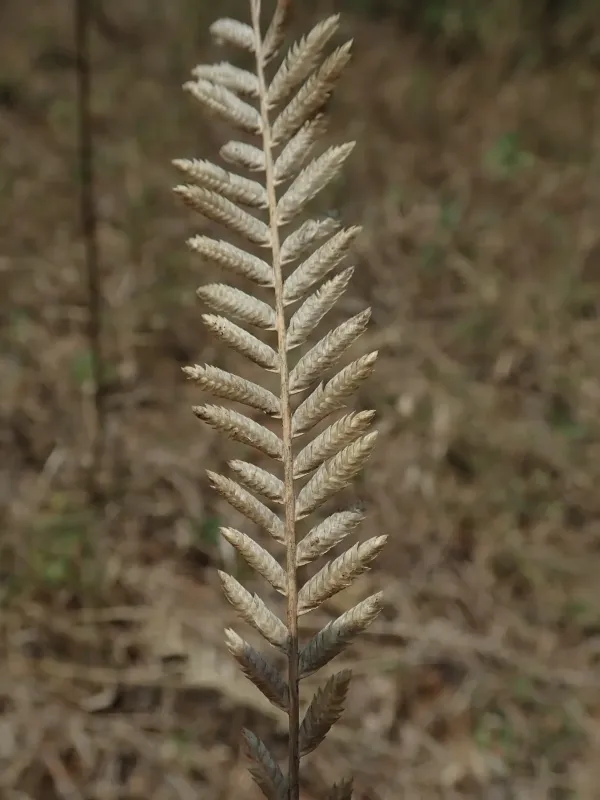
Botanically, it forms dense tufts of narrow, basal leaves. Its inflorescence is distinct, consisting of a spike-like raceme where the spikelets are arranged in two opposing rows, giving the species its specific name and making it easily recognizable in the field.
Regarding cultivation requirements, Eragrostiella bifaria prefers open, sunny locations with good drainage. It does not tolerate waterlogging, as excessive soil moisture can lead to root rot, especially in high-temperature climates where pathogens flourish.
Economically, it serves as a grazing forage. While it becomes fibrous as it matures, the young growth is a valuable food source for livestock, contributing to the pastoral productivity of marginal lands where more sensitive forage crops would struggle to survive.
Main diseases and pests
The primary threats to Eragrostiella bifaria include various fungal pathogens that thrive during periods of high humidity. Leaf spot diseases are common and can significantly reduce the photosynthetic capacity of the grass during the rainy season.
Insect pests such as grass aphids and spider mites are frequent invaders of these pastures. By extracting plant sap, they weaken the grass, reducing its nutritional quality and its ability to withstand subsequent drought periods.
Soil-borne pests, particularly larvae of coleopterans, can cause localized damage to the root system. This is especially problematic in sandy soils where the plant relies on deep roots for moisture extraction during the dry season.
Ergot infections (Claviceps spp.) represent a significant risk for seed production and animal safety. If livestock ingest infected inflorescences, they may suffer from toxicity, necessitating strict management of the pasture to prevent the spread of the fungus.
Management strategies emphasize sustainable grazing practices to prevent overgrazing, which can leave the soil exposed and increase the susceptibility of the grass to infestation. Maintaining a healthy stand through rotational grazing is the most effective biological defense.