
Ephedra equisetina
Ephedra equisetina Bunge
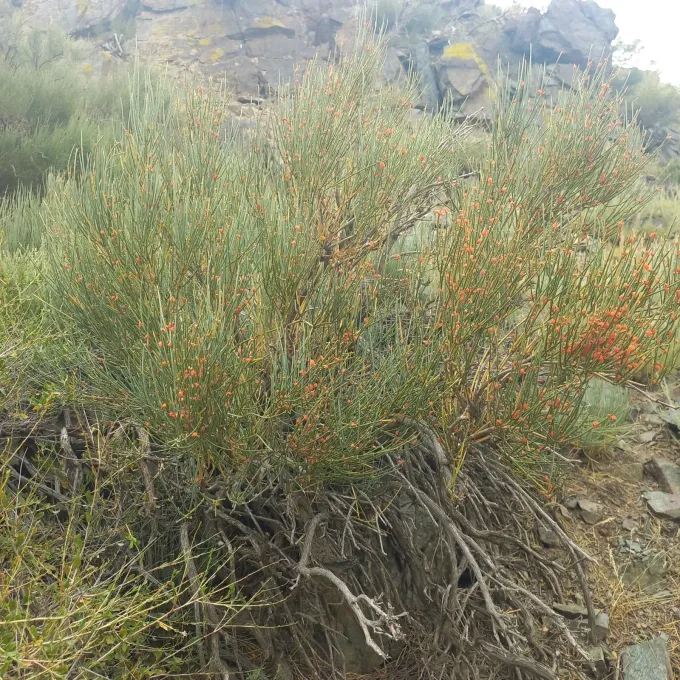
Description
Sowing dates
Seed propagation is the primary method for establishing Ephedra equisetina plantations. Seeds require a period of stratification in cold conditions for 30 to 60 days to break dormancy and ensure uniform germination in the field.
Sowing should be performed in well-prepared, loose soil at a depth of 1-2 cm. Given the slow early growth of seedlings, it is vital to maintain a weed-free environment during the first year to prevent competition for essential nutrients and water.
Transplanting seedlings to their final location is best done once the plants are one to two years old and have developed a sufficiently strong root system to survive transplant shock. Proper spacing is required to ensure adequate airflow and light penetration.
Vegetative propagation via cuttings or division is a faster alternative used to maintain the genetic integrity of specific plant lines. Cuttings are typically taken from healthy, mature specimens and rooted in a controlled greenhouse environment.
Choosing a site with proper mechanical access is essential for future harvesting and maintenance. Strategic planning of the plantation layout allows for efficient management of the crop over its long lifespan.
Growing requirements
Ephedra equisetina, a member of the Ephedraceae family, is a hardy perennial shrub known for its resilience to harsh, arid climates. It is well-adapted to high-altitude and mountainous regions, displaying excellent drought and frost tolerance.
The plant thrives in well-drained, sandy or rocky soils with neutral to slightly alkaline pH levels. Poor drainage and waterlogged soil conditions are detrimental to the plant's health and can lead to immediate root decay.
Sunlight exposure is a critical factor influencing the biosynthesis of ephedrine alkaloids. Fields should be situated in open, south-facing locations that receive full solar radiation throughout the day to maximize the pharmacological quality of the crop.
Agronomic management includes regular weeding and surface cultivation to maintain soil structure and aeration. While the plant is drought-resistant, modest application of phosphorus and potassium fertilizers promotes lignification and winter hardiness.
Beyond its pharmaceutical value, this crop is an excellent candidate for soil stabilization and erosion control on disturbed or degraded slopes, thanks to its extensive and deep-reaching root architecture.
Main diseases and pests
Fungal diseases related to high humidity represent the most significant threat to Ephedra plantations. Root rot, caused by persistent soil moisture, is the primary reason for crop failure in improperly drained environments.
Pests such as aphids and spider mites can infest young, tender shoots during the rapid growth phase. Integrated pest management, focusing on early detection and biological control, is necessary to minimize the need for chemical interventions.
Overcrowded plantings reduce airflow and create microclimates conducive to the rapid spread of infections. Maintaining appropriate distance between bushes is a fundamental preventive measure in professional agronomy.
Improper fertilization, particularly excessive nitrogen, encourages soft, succulent growth that is highly susceptible to insect damage. A balanced nutritional approach is essential to maintain the plant's natural defensive mechanisms.
Winter damage, especially in areas with significant temperature fluctuations without snow cover, can weaken the plant and leave it vulnerable to pathogens during the spring recovery period.
Harvesting
Harvesting is timed to coincide with the period of peak alkaloid concentration, usually during the plant's active flowering or fruiting stages. Harvesting should be performed on dry, sunny days to ensure optimal moisture content for subsequent processing.
The method involves selective cutting of green, non-lignified stems while leaving enough biomass for the plant to recover. Harvesting too aggressively can significantly reduce the vitality and yield of the plantation in subsequent cycles.
Post-harvest processing involves rapid drying in ventilated areas or specialized dehydrators at temperatures not exceeding 50 degrees Celsius. Excessive heat causes the degradation of active alkaloids, drastically reducing the crop's commercial value.
Storage should be conducted in cool, dark, and dry conditions to prevent mold formation and the degradation of active pharmaceutical ingredients. Proper storage protocols allow the raw material to maintain its potency for years.
A sustainable rotation of harvest zones is recommended, ensuring that each bush has sufficient recovery time. This strategy sustains high levels of productivity and contributes to the long-term viability of the agricultural operation.