
Entolasia marginata
Entolasia marginata
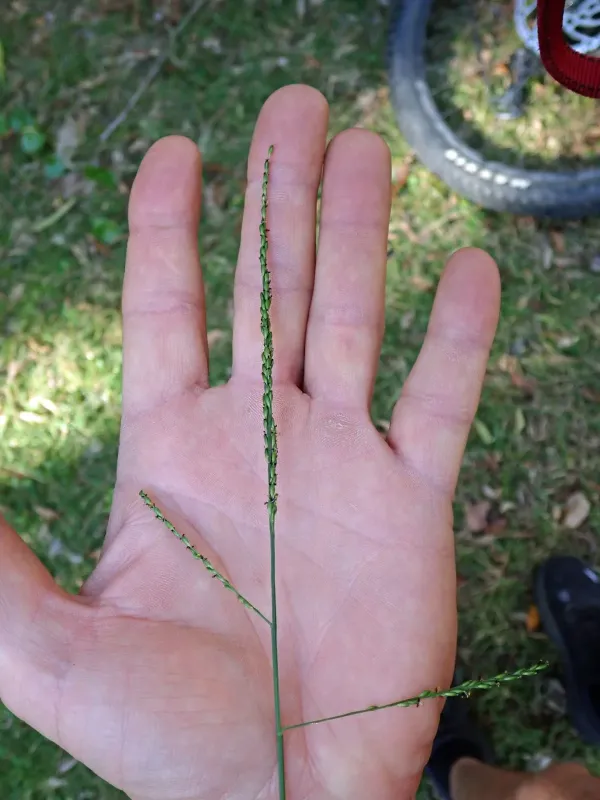
Description
Growing requirements
Entolasia marginata, commonly known as bordered panicgrass, is a perennial grass species belonging to the Poaceae family. It is recognized for its robust growth habit and ability to form dense clusters in its natural environment.
Originating from Australia, this species is well-adapted to subtropical and temperate climates. It typically thrives in diverse environments, ranging from coastal areas to open woodland clearings, demonstrating significant ecological flexibility.
The crop thrives in well-drained soils that provide adequate nutrient content. While it displays a commendable level of drought tolerance, consistent moisture levels during the growing season significantly enhance its biomass production.
Botanically, the plant is characterized by leaf blades with distinct margins, which provide the namesake appearance. Its root structure is deep and fibrous, contributing to its resilience in varying soil conditions and ability to prevent erosion.
Agricultural usage primarily focuses on its role in permanent pasture systems. Due to its palatability and survival rate under grazing pressure, it serves as a valuable forage resource in regions where it is naturally established.
Main diseases and pests
Fungal pathogens pose the primary threat to Entolasia marginata, particularly during prolonged periods of high humidity. Leaf spot diseases are the most frequent, impacting the photosynthetic capacity of the plants.
Various insect pests, including grass-feeding aphids and leafhoppers, can cause localized damage. Severe infestations may stunt growth and reduce the nutritional quality of the forage for livestock.
Management of these threats relies heavily on proper grazing rotations. By ensuring the pasture is not overgrazed and that biomass is removed regularly, farmers can disrupt the life cycles of common pests.
Cultural practices such as maintaining soil fertility and proper drainage are essential. Soils with poor drainage increase the risk of root rot pathogens, which can lead to thinning of the stand over time.
Monitoring for signs of stress is recommended throughout the growing season. Early identification of disease patches allows for targeted management strategies rather than reliance on broad-spectrum chemical interventions.