
Soft shield fern
Polystichum setiferum (Forssk.) Woyn.
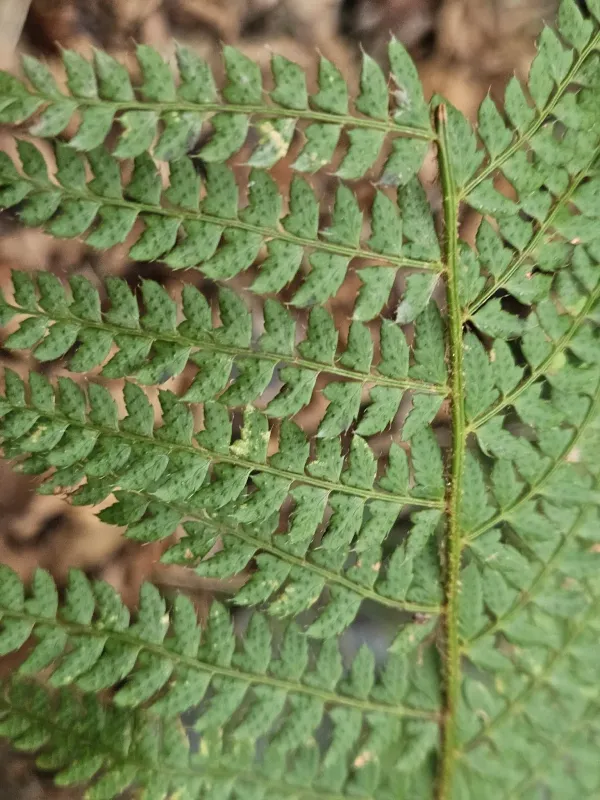
Description
Growing requirements
The Soft shield fern (Polystichum setiferum) is a perennial evergreen fern species belonging to the family Dryopteridaceae. It is native to the woodlands of Europe and is widely valued for its delicate, lacy, and persistent foliage that maintains its grace throughout the year.
Botanically, it forms a shuttlecock-shaped crown of arching fronds that can grow significantly over time. Its rhizome is short and robust, providing a sturdy anchor for the plant within the humus-rich forest soils it prefers in its natural habitat.
To ensure optimal growth, this fern requires a shaded or semi-shaded environment. Direct sunlight should be avoided as it leads to leaf scorching and rapid desiccation. In landscape architecture, it is primarily used as an ornamental ground cover in damp, shaded areas.
The ideal soil for Polystichum setiferum is moisture-retentive, well-draining, and rich in organic matter. A neutral to slightly acidic pH is preferred, mimicking the forest floor conditions where this species thrives naturally.
Cultural maintenance involves consistent watering during dry spells and applying organic mulch around the crown. This practice helps preserve soil humidity and insulates the roots against extreme temperature fluctuations, which is vital for the plant's survival in colder climates.
Main diseases and pests
The primary threats to this fern are fungal pathogens, which are typically exacerbated by poor air circulation and excessive moisture. Diseases such as leaf spot and various rots can compromise the plant's health if the foliage remains wet for prolonged periods.
Common pests include slugs and snails, which can cause significant damage to emerging fronds in the spring. Protective barriers or organic pest control methods are recommended to manage these mollusks effectively without harming the ecosystem.
In drier conditions, the Soft shield fern may become susceptible to infestations of spider mites, which feed on the sap and cause the fronds to yellow. Increasing ambient humidity and ensuring adequate watering can mitigate this risk effectively.
Sanitation is key to disease management; all dead or decaying fronds should be removed periodically to reduce spore accumulation. During severe outbreaks, the use of targeted fungicides may be necessary to protect the plant structure from further degradation.
Strategic planting, ensuring sufficient space between individuals, allows for adequate ventilation, which significantly lowers the risk of pest and disease outbreaks. Regular inspections allow for early detection, ensuring the long-term vitality of the planting.