
Roman chamomile
Chamaemelum nobile (L.) All.
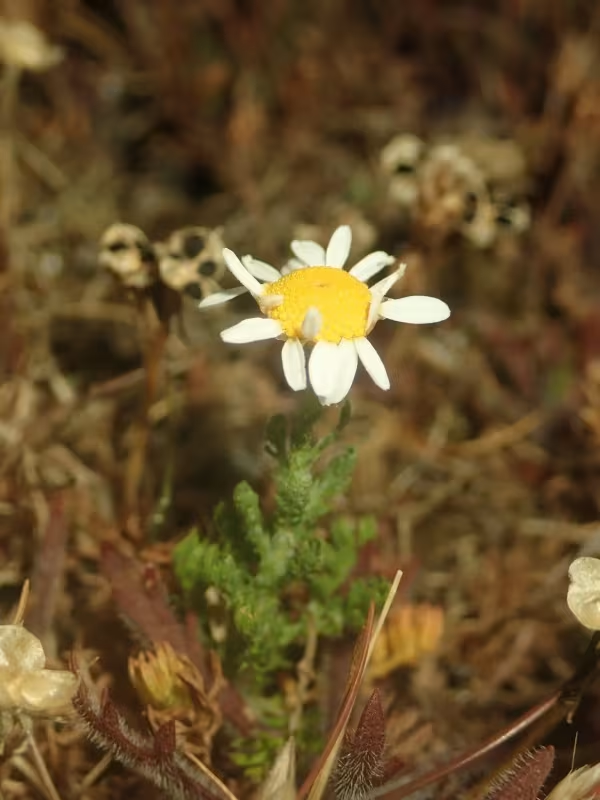
Description
Sowing dates
Roman chamomile, scientifically known as Chamaemelum nobile, is a perennial plant of the Asteraceae family. It is widely cultivated for its essential oils and medicinal properties across temperate regions.
The sowing process is best initiated in early spring once soil temperatures reach about 10 degrees Celsius. Fall sowing is also a viable option in milder climates to ensure early spring germination.
Seeds are tiny and light-sensitive, requiring surface sowing with very shallow covering—ideally no more than a few millimeters deep. Pressing the soil gently after seeding improves capillary water movement.
For commercial cultivation, row spacing of 30 to 50 centimeters is recommended to facilitate weeding and harvesting. Maintaining a distance of 15–20 centimeters between individual plants is necessary for air circulation.
Proper seedling establishment is critical. Keeping the seedbed moist during the first two weeks post-sowing is essential for achieving a high density of plants.
Growing requirements
This crop thrives in sunny locations with well-drained, sandy loam or loamy soils. It is highly sensitive to waterlogging, which often leads to root rot and poor plant development.
The optimal pH range for Roman chamomile is between 6.0 and 7.5. It performs well in slightly acidic to neutral soil environments, provided there is adequate organic matter content.
Regular but moderate watering is necessary during the vegetative growth phase. Once established, the plant shows some drought tolerance, but blossom quality depends on stable soil moisture.
Weed control is the most important cultural practice during the early stages. Mechanical cultivation or manual hoeing should be performed frequently to minimize competition for nutrients.
In regions with harsh winters, covering the base of the plants with a light mulch layer helps protect the root system from freezing and thawing cycles.
Yield
Yields of Roman chamomile primarily consist of flower heads. Production typically reaches its maximum potential in the second year, followed by a gradual decline in subsequent years.
A well-managed field can yield between 1 and 2 tons of dried flowers per hectare depending on soil fertility, plant density, and climate conditions during the blooming period.
Frequency of harvest plays a major role in total production. By harvesting flowers as soon as they reach peak maturity, the plant is stimulated to produce a new flush of blooms.
Product quality, measured by essential oil content, is heavily influenced by the timing of harvest and the speed of the drying process after gathering the crop.
Periodic renewal of the plantation, typically every three to four years, is essential to maintain high-yield standards and prevent pest buildup in the soil.
Main diseases and pests
Fungal pathogens such as powdery mildew and root rot represent the main biological threats. These diseases are usually triggered by poor drainage or excessive humidity in the plant canopy.
Aphids and spider mites are common pests that target the foliage and flower heads, potentially damaging the commercial value of the medicinal raw material.
Implementing a strict crop rotation plan, avoiding the Asteraceae family as preceding crops, helps keep soil-borne pathogens and nematode populations at manageable levels.
Excessive nitrogen fertilization should be avoided as it creates succulent growth that attracts pests and makes the plants more susceptible to fungal infections.
Regular field scouting allows for early detection of infestations. Using biological control methods is preferred to maintain the chemical integrity of the dried herbs.
Harvesting
Harvesting is performed manually or with specialized machinery once the flower heads are fully expanded. Delaying the harvest leads to seed formation, which lowers oil quality.
The best time to harvest is during mid-day when the morning dew has completely evaporated. This prevents mold formation and ensures efficient drying of the harvested material.
After collection, the flowers must be dried immediately in a clean, shaded, and well-ventilated area. Keeping temperatures below 40 degrees Celsius is crucial to prevent volatile oil loss.
Drying is complete when the flowers are brittle enough to be crushed easily. Any moisture left in the product will lead to rapid spoilage during storage.
Properly dried and packaged Roman chamomile can be stored for up to 24 months in a cool, dark, and dry environment without significant degradation of its active compounds.