
Engelmannia pinnatifida
Engelmannia pinnatifida
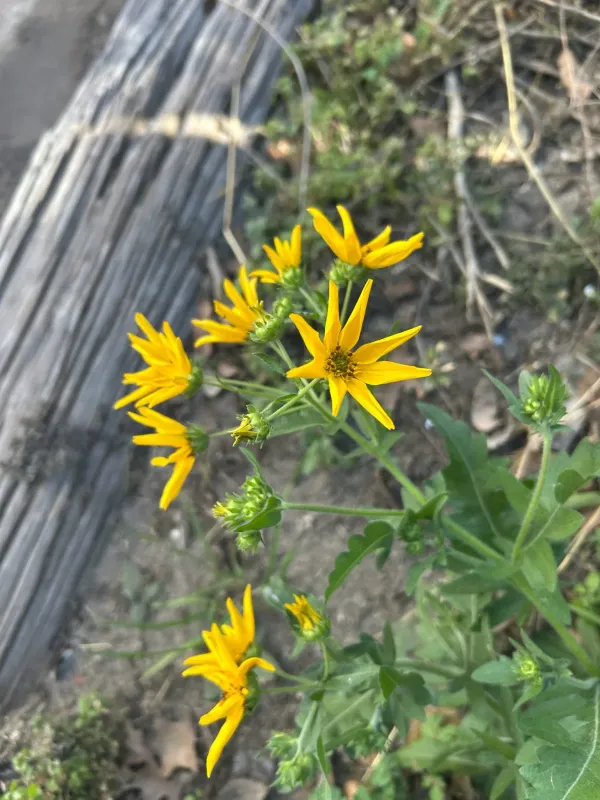
Description
Sowing dates
Engelmannia pinnatifida, commonly known as the Engelmann daisy, is a perennial herbaceous plant belonging to the Asteraceae family. It is a robust species well-adapted to native prairie ecosystems.
Sowing should ideally occur in early spring once soil temperatures have consistently reached favorable levels. Late autumn sowing is also a viable option in many regions, as it allows seeds to undergo natural winter dormancy and stratification.
Seeds should be planted at a shallow depth of approximately 1 to 2 centimeters. Because they require light for germination, covering them too deeply can significantly reduce emergence rates.
Germination typically takes between two to three weeks, provided the soil moisture is maintained at a consistent level. During the first few months, the plant focuses on establishing a deep taproot, resulting in slow above-ground growth.
The standard seeding rate varies depending on the purpose of the planting, usually ranging from 4 to 6 kilograms per hectare for range improvement. Ensuring proper seed-to-soil contact through light rolling is essential for successful establishment.
Growing requirements
This crop is a classic xerophyte, thriving in environments with limited rainfall. Its primary survival mechanism is a deep, extensive taproot system that reaches moisture stored far beneath the surface.
Well-drained, calcareous, or stony soils are ideal for the Engelmann daisy. It is highly sensitive to waterlogged conditions, which can lead to root rot, so avoiding heavy, poorly drained clay soils is critical.
The plant requires full sun exposure to reach its peak vigor. Shade negatively affects the plant's structural integrity, causing it to become spindly and reducing the density of its flowering heads.
Temperature tolerance is one of its strongest traits. It withstands extreme heat and seasonal shifts with ease, making it a reliable perennial in regions prone to continental climate extremes.
Soil fertility management is rarely necessary, as the plant is adapted to nutrient-poor prairie soils. If fertilizing, use modest amounts of phosphorus and potassium to encourage root development rather than excessive leafy growth.
Yield
The primary use of Engelmannia pinnatifida is as a forage component in semi-arid rangelands. It is highly regarded for its ability to stay green and palatable when many other grasses have cured or gone dormant.
Livestock, including cattle, sheep, and goats, readily graze on its nutritious leaves and stems. While the nutritional value is highest in the early growth stages, it remains a stable source of roughage throughout the growing season.
Yield capacity is highly dependent on annual rainfall patterns. In wet years, the plant produces significant green biomass, which contributes greatly to the overall carrying capacity of pasture lands.
Beyond forage, the plant serves as a vital component in erosion control. Its robust root system anchors the soil, preventing wind and water erosion on slopes where other vegetation might struggle to survive.
It is increasingly valued in ecological restoration projects aimed at reclaiming degraded rangelands, where its hardiness and self-seeding capability make it a sustainable choice for land managers.
Main diseases and pests
The Engelmann daisy is remarkably disease-resistant, thanks to its evolutionary adaptation to harsh environments. However, in periods of high humidity or poor ventilation, it may be susceptible to powdery mildew.
Root rot is the most common threat and is almost always caused by poor soil drainage. Ensuring that the planting site has excellent water permeability is the best defensive strategy against such issues.
Pests such as aphids or leaf-feeding caterpillars may occasionally appear, but they rarely reach levels that require chemical intervention, as natural predator populations usually keep them in check.
Weed management is the most important factor during the first year of growth. Regular mechanical weeding is necessary until the plant is sufficiently established to compete for space and nutrients.
Overgrazing can damage the plant's growth crown, hindering its ability to regenerate. Adopting a rotational grazing system ensures that the plants have adequate time to recover their energy stores after being browsed.
Harvesting
Seed harvesting is performed either manually or with mechanized equipment once the flower heads have dried and turned brown. Timing is critical to prevent the loss of seeds through natural shattering.
For hay production, mowing should be timed before the seed sets. Harvesting at the late vegetative or early flowering stage ensures that the forage remains soft and contains the highest concentration of minerals.
Post-harvest processing requires proper drying of the seeds in a shaded, ventilated area to prevent molding. Seeds should be stored in cool, dry conditions to maintain long-term viability.
When used as a pasture crop, harvest is determined by the grazing schedule. A residual height of at least 5 to 8 centimeters should always be maintained to allow for rapid regrowth following precipitation.
Seed cleaning involves using standard air-screen machines to separate the seeds from chaff and debris. High-quality seeds should be free of moisture and particulate matter to ensure optimal performance in subsequent plantings.