
Elytropappus rhinocerotis
Elytropappus rhinocerotis
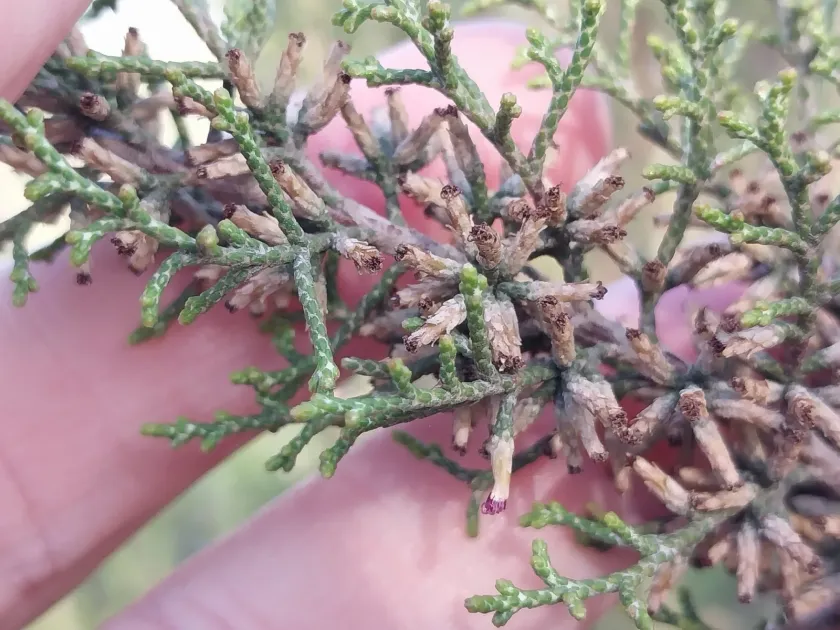
Description
Growing requirements
Elytropappus rhinocerotis, commonly referred to as renosterbos, is a woody shrub belonging to the Asteraceae family. It is a defining plant of the renosterveld vegetation type, characteristic of the Western Cape province in South Africa.
The plant is highly adapted to nutrient-poor soils, particularly those derived from Malmesbury shales. Its success in these environments is attributed to its ability to thrive where other vegetation struggles due to limited fertility and shallow soil profiles.
It requires a Mediterranean-type climate characterized by winter rainfall and hot, dry summers. The plant is heliophilous, meaning it demands full sunlight for optimal growth and architectural development of its branching structure.
Botanically, this shrub is distinct for its fine, greyish foliage covered in tiny trichomes. This feature is a classic xerophytic adaptation, effectively reducing transpiration rates during prolonged droughts typical of its native range.
In terms of agricultural utility, it is primarily valued for land reclamation projects. It serves as a pioneer species that stabilizes soil, making it a critical component in managing sensitive ecosystems in arid zones.
Main diseases and pests
The primary threats to Elytropappus rhinocerotis involve habitat fragmentation caused by urban expansion and the conversion of natural land into intensive agricultural plots.
Invasive alien plant species pose a significant risk, as they compete for limited water resources and often outgrow the native shrub, leading to a decline in biodiversity.
Pathogenic threats are minimal; however, root rot (Phytophthora spp.) can occur in poorly drained soils if water stagnation happens during unusually wet winter seasons.
Pest attacks are typically confined to seasonal leaf miners or borers, though these rarely lead to widespread mortality within healthy, mature plant stands.
Proper land management, including controlled burning or selective grazing, is essential to ensure the longevity of renosterbos stands and prevent the encroachment of woody weeds.