
Elvira biflora
Elvira biflora
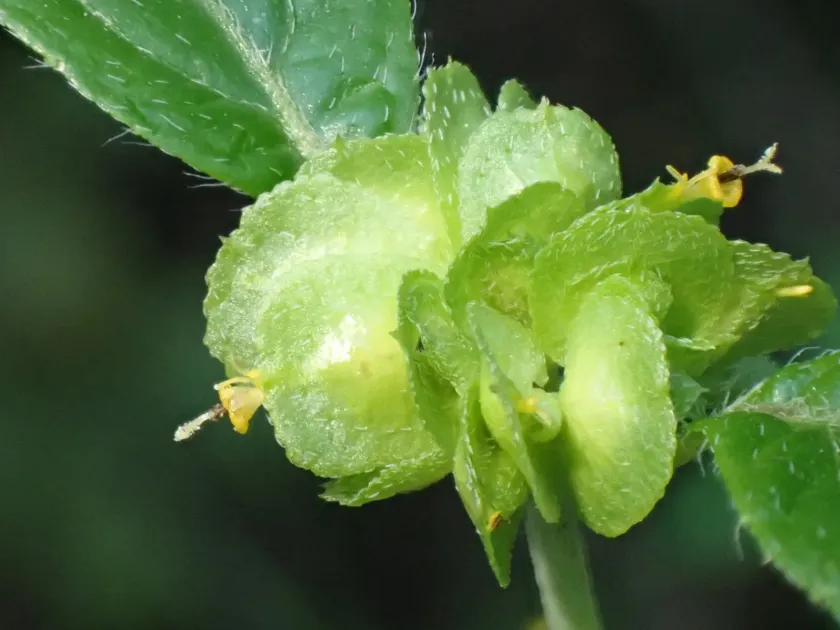
Description
Sowing dates
Elvira biflora is a botanical species belonging to the Asteraceae family. This herbaceous plant is primarily recognized for its specific structural features and is studied in various botanical contexts.
The sowing process for this culture typically occurs in early spring, ensuring that the seeds are placed in a substrate that is well-prepared and sufficiently warmed.
Seeds are sown shallowly as they often require light to trigger germination, making careful placement in the growing media essential for high emergence rates.
In temperate climates, starting seeds indoors or in a greenhouse is the preferred method to extend the growing season and protect seedlings from early environmental stress.
Consistent moisture levels are critical during the initial germination phase; thus, using a fine mist for irrigation helps avoid seed displacement.
Growing requirements
Elvira biflora thrives in locations with ample natural light, although it prefers protection from intense, direct midday sun which can stress the foliage.
Soil quality is paramount, with the plant requiring a well-draining, nutrient-rich substrate that avoids heavy clay content to prevent root suffocation.
Temperature management is crucial, as this plant performs best in moderate thermal ranges, typically between 20 and 25 degrees Celsius during the day.
Nutrient supplementation should be managed through balanced fertilizers applied throughout the vegetative stage to support healthy development.
- Adequate drainage systems
- Neutral to slightly acidic pH levels
- Consistent air circulation
- Regular monitoring of soil moisture
Main diseases and pests
The most common threats to Elvira biflora include root rot, often exacerbated by over-irrigation and poor drainage in the container or field.
Pests such as aphids and spider mites can infest the plant, particularly in sheltered environments or areas with limited natural predators.
Fungal diseases are a persistent risk; therefore, maintaining dry foliage during the evening hours is a recommended preventative measure.
Integrated pest management, including the use of biological controls or targeted sprays, is necessary if threshold infestation levels are reached.
Early detection through frequent scouting remains the most effective way to manage health issues before they affect the overall vigor of the crop.