
Eleutheranthera ruderalis
Eleutheranthera ruderalis
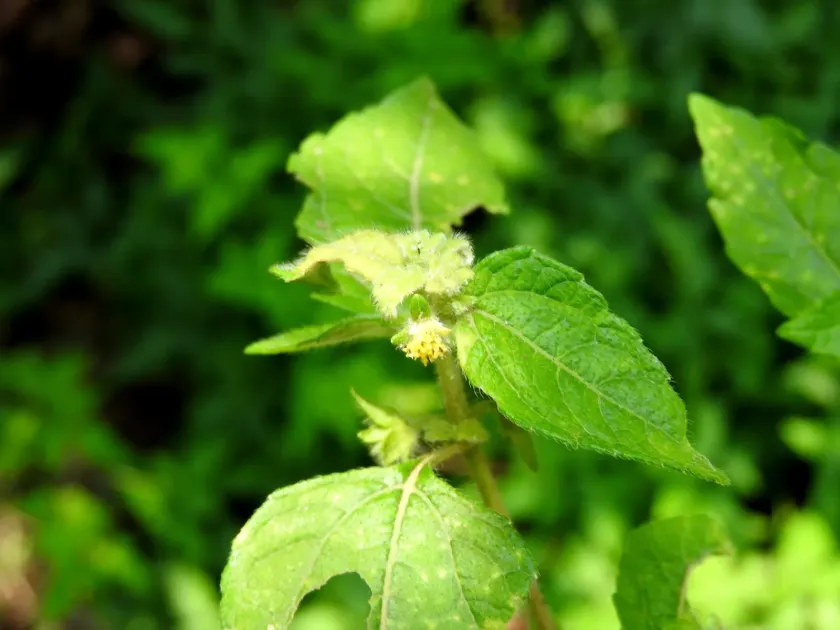
Description
Growing requirements
Eleutheranthera ruderalis is a member of the Asteraceae family. It is widely recognized as a robust herbaceous plant, often functioning as a troublesome weed in tropical and subtropical agricultural systems.
Native to tropical America, this species has successfully naturalized across various tropical regions of Africa and Asia. It thrives in disturbed habitats, making it a frequent colonizer of cultivated fields, irrigation channels, and garden plots.
The plant demonstrates a strong preference for warm, humid conditions. It performs optimally in high-moisture environments with fertile, well-draining soil, showing rapid biomass accumulation in the early stages of its growth cycle.
Botanically, Eleutheranthera ruderalis is characterized by its opposite, simple leaves and small, yellow flower heads. Its reproductive strategy relies on the abundant production of seeds, which are easily dispersed by water and human activity.
Agrotechnical management typically involves mechanical weeding before the flowering stage to prevent seed set. In intensive cropping systems, crop rotation and the use of competitive cover crops are recommended to suppress its establishment.
Main diseases and pests
Eleutheranthera ruderalis acts as a significant reservoir for several plant pathogens. It is particularly notorious for harboring viruses that cause diseases in economically valuable crops like legumes and vegetables.
Common pests associated with this plant include aphids and thrips. These insects utilize the plant as a host during the inter-cropping season, making it a critical focus for integrated pest management programs.
Fungal diseases, such as leaf spots and root rots, can occur during prolonged periods of heavy rainfall. While these diseases affect the weed's vigor, they increase the overall pathogen load within the field environment.
Control strategies often require the targeted application of post-emergence herbicides. Due to its resilience, repeated treatments are often necessary to effectively exhaust the seed bank present in the soil profile.
Field sanitation is of utmost importance. Maintaining clean field margins and ensuring that irrigation water is not carrying seeds from infested areas are primary steps in preventing the spread of this species.