
Cardamom
Elettaria cardamomum (L.) Maton
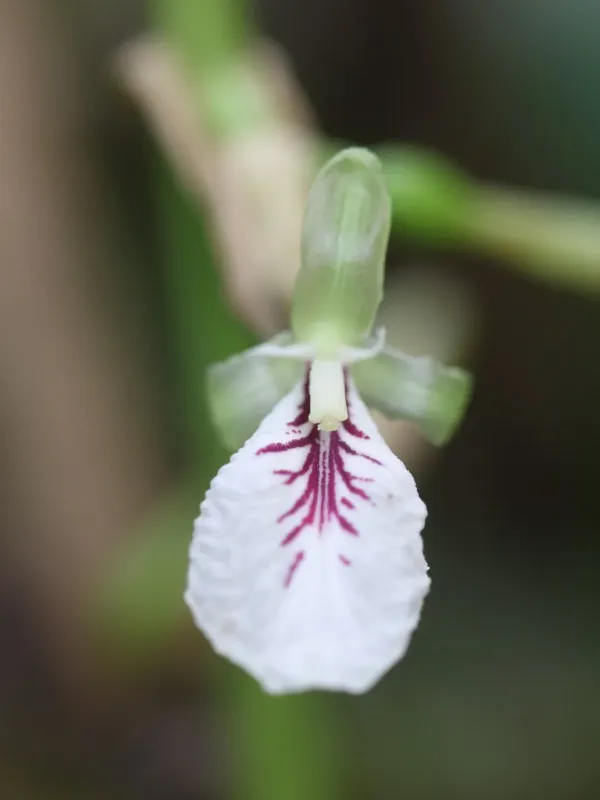
Description
Sowing dates
Cardamom (Elettaria cardamomum) is a perennial herbaceous plant belonging to the Zingiberaceae family. Propagation is primarily achieved through vegetative means by dividing rhizomes, ensuring that the offspring maintain the high-quality characteristics of the parent plant.
Seed propagation is less common for commercial cultivation due to slower seedling growth and variability in plant traits. When used, seeds are sown in carefully prepared nursery beds or containers immediately after harvest to ensure maximum viability.
The optimal time for establishing new plantations is at the onset of the monsoon season. This timing ensures sufficient soil moisture and creates favorable conditions for the roots to establish before the dryer months set in.
Standard spacing in plantations ranges from 2 to 3 meters between plants. This distance is vital for promoting air circulation and facilitating management practices, such as weeding and selective harvesting of the pods.
Plants generally enter their reproductive phase by the third year after planting. A well-managed plantation can remain productive for 10 to 15 years, with the highest yields typically occurring between years 5 and 8.
Growing requirements
Cardamom thrives in tropical environments, requiring high humidity levels between 70% and 80%. It is highly sensitive to extreme heat and prolonged dry spells, making irrigation essential in areas with seasonal rainfall.
The ideal temperature range for cardamom cultivation is between 18 °C and 30 °C. Exposure to temperatures below 10 °C can severely stunt growth and development, making it unsuitable for cooler, temperate climates.
Soil requirements include high organic matter content, light texture, and excellent drainage. Waterlogging is detrimental to the plant and must be avoided through appropriate land preparation and sloped planting sites.
As a forest-dwelling species, cardamom requires shade. It is typically grown under the canopy of taller trees to protect it from direct sunlight, which causes leaf scorch and reduces the essential oil content of the pods.
Mulching is a core agronomic practice for this crop. It serves to conserve soil moisture, regulate soil temperature, suppress weeds, and supply a continuous stream of nutrients as the organic mulch decomposes.
Yield
Yields of cardamom are highly dependent on the level of management and soil fertility. In professional farming, well-tended plantations can produce between 100 to 300 kilograms of dry product per hectare.
Productivity is not uniform and depends heavily on consistent rainfall and efficient pollination. Because cardamom requires bees and other insects for pollination, maintaining local biodiversity is key to maximizing fruit set.
Advances in breeding have introduced clones that offer more concentrated fruit sets on the racemes, making the harvesting process easier and increasing the output per square meter of cultivated land.
The global spice market places a premium on pod quality, including size, shape, and vibrant color. High yields are only economically viable if the majority of the crop meets these specific quality standards.
Due to its status as a high-value spice, even moderate yields in terms of physical weight provide significant economic returns for farmers who prioritize post-harvest processing and quality control.
Main diseases and pests
The 'Katte' virus is the most severe threat to cardamom production. Transmitted by aphids, it manifests as mosaic leaf patterns and causes a total cessation of plant growth, leading to eventual collapse of the crop.
Rhizome and root rot, caused by Pythium species, are frequent in poorly drained soils. These fungal infections quickly spread through the root system, killing off productive shoots and causing systemic decline.
Thrips are a major pest that impacts the visual quality of the product. They feed on the tender skin of developing pods, causing scabs and scarring that significantly degrade the market value of the harvested spice.
Stem borers penetrate the stalks, causing them to wither and die. This damage not only reduces the photosynthetic area of the plant but also provides entry points for secondary pathogens that further weaken the crop.
- Regular field monitoring for signs of viral mosaic.
- Implementation of Integrated Pest Management (IPM).
- Removal and destruction of infected plant debris.
- Use of bio-pesticides to minimize chemical residues in the spice.
Harvesting
Harvesting cardamom is a labor-intensive manual task. Pods on a single raceme do not ripen simultaneously, necessitating multiple picking rounds throughout the season, usually spaced 15 to 20 days apart.
The ideal harvest stage is when the pods are plump and deep green but not yet open. If left too long on the plant, the pods will split, causing the loss of the aromatic seeds inside.
Harvesters must carefully clip the racemes using shears to avoid damaging the plant's base or the developing shoots for the next season. Careless harvesting can significantly reduce the longevity of the plant.
Post-harvest, the pods require rapid drying to preserve their quality. Traditionally, sun drying is used, but modern mechanical dryers are preferred to maintain the characteristic bright green color and essential oil content.
Proper drying is the defining factor in the final value of the cardamom. Uniform drying prevents fungal growth and ensures that the volatile oils, which provide the signature aroma, are locked within the pods.