
Elephantorrhiza elephantina
Elephantorrhiza elephantina
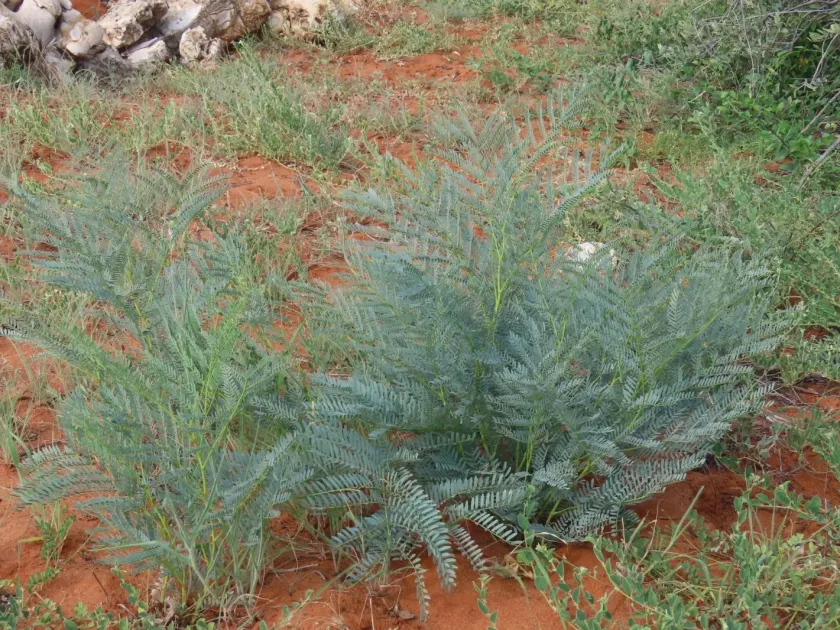
Description
Sowing dates
Propagation of Elephantorrhiza elephantina is primarily achieved through seeds, which feature a tough seed coat. Successful germination in agricultural settings requires pre-treatment such as scarification or soaking in warm water.
Sowing should be conducted in late spring when soil temperatures have risen significantly. Avoiding the risk of frost is crucial, as the young seedlings are highly sensitive to cold weather during the emergence stage.
Seeds should be planted at a depth of 2–3 centimeters. Proper spacing of at least 1–1.5 meters between plants is necessary to accommodate the extensive root development typical of this species.
Using a nursery or greenhouse method for the first stage of growth often yields better results. Once the seedlings reach a height of approximately 15–20 centimeters, they can be transplanted to the field.
It is important to manage soil moisture carefully during the early stages of growth to prevent fungal diseases that often affect young legumes in damp soil conditions.
Growing requirements
Elephantorrhiza elephantina belongs to the Fabaceae family and is native to the semi-arid regions of Southern Africa. It is exceptionally well-adapted to hot, dry climates and prolonged droughts.
The plant thrives in light, sandy, or well-draining soils. Heavy, waterlogged clay soils are unsuitable and can lead to root rot, which is the primary cause of plant failure in this species.
Optimal growth requires full sun exposure throughout the day. Shade can drastically reduce the vigor of the plant and inhibit the development of the massive rhizomatous root system.
The ideal temperature range for active growth is between +20°C and +35°C. The species is highly tolerant to heat stress but requires protection from severe frost during the first winter.
The soil pH should be neutral to slightly alkaline, ranging from 6.0 to 7.5. The plant is hardy and does not require highly fertile soil, as it can fix atmospheric nitrogen efficiently.
Yield
The primary economic output of this culture is the massive woody root, which is harvested for its high tannin content. Commercial yields are typically achievable only after the plant reaches 4–6 years of age.
While the green biomass is limited, it can serve as a forage supplement. However, the true value of the crop lies in the subterranean biomass harvested during the dormant season.
The plant demonstrates a high capacity for recovery if only a portion of the root system is harvested, allowing for sustainable long-term plantation management.
Annual yields are influenced by water availability during the peak growing season, although the plant is drought-tolerant, supplemental irrigation can significantly increase biomass production.
Harvesting strategies should prioritize manual extraction to prevent damage to the central root structure, ensuring the plant continues to produce new growth in subsequent seasons.
Main diseases and pests
The crop is susceptible to soil-borne pests, particularly larvae that feed on the large, fleshy roots. Seed weevils can also damage stocks, significantly impacting seed quality.
Phytophthora root rot is the most significant disease risk, especially in regions with poorly drained soils or unexpected heavy rainfall events during the growing season.
Powdery mildew may affect the foliage if air circulation is inadequate. Maintaining proper spacing between plants is an effective cultural practice to mitigate this risk.
Integrated pest management, focusing on biological controls rather than harsh chemicals, is recommended given the frequent use of the plant in medicinal and food applications.
Regular monitoring for nematode infestation is essential, as these microscopic pests can severely weaken the plant's ability to absorb water and nutrients from the soil.