
Eleorchis japonica
Eleorchis japonica
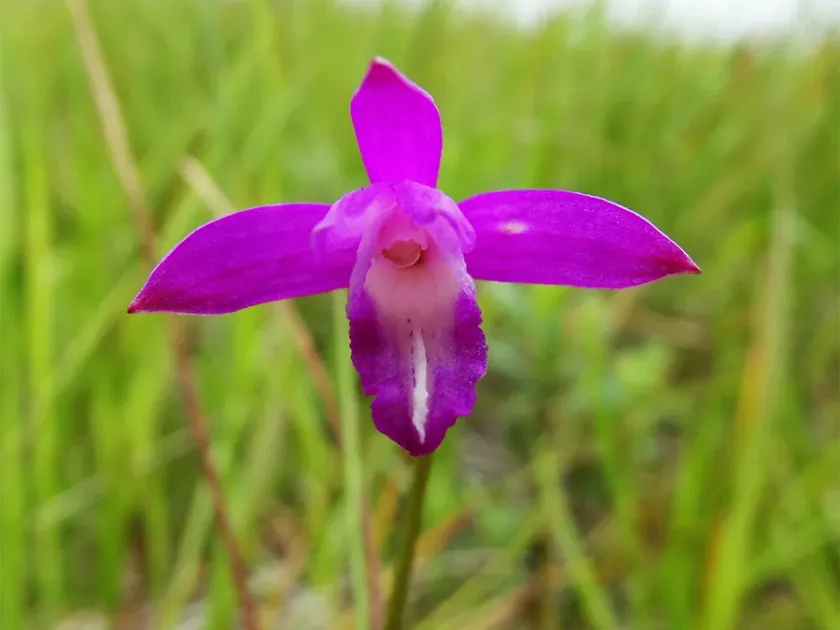
Description
Growing requirements
Eleorchis japonica is a distinctive herbaceous perennial plant belonging to the Orchidaceae family. Native to Japan, this species is naturally found in wetlands and swampy habitats, which dictates its specific environmental needs in a controlled cultivation environment.
Successful cultivation requires a highly specialized growing medium that is acidic and porous. The substrate must be able to maintain high moisture levels consistently without becoming waterlogged, as this orchid is highly susceptible to root rot if drainage is insufficient.
This species thrives in filtered, indirect light conditions. Exposure to harsh or direct sunlight can scorch the delicate foliage, leading to plant stress. During the growing season, a moderate temperature range is ideal, whereas a cooling-off period is essential during winter dormancy.
Botanically, the plant is characterized by its small pseudobulbs, which act as energy reservoirs. These structures are vital for the plant's survival throughout the year and require careful management during the dormancy phase to prevent dehydration or rotting.
From a horticultural perspective, Eleorchis japonica is primarily valued as a collectible specimen for orchid enthusiasts and botanical garden displays. Due to its specific requirements, it is rarely seen in general gardening and remains a challenge for even experienced growers.
Main diseases and pests
Fungal pathogens are the most significant threat to the health of Eleorchis japonica. High humidity levels combined with stagnant air can quickly lead to root and crown rot, which can prove fatal to the plant if not addressed with improved ventilation.
Insect pests such as spider mites and mealybugs can pose a threat, particularly if the plant is kept in an environment where air humidity drops too low. These pests can rapidly weaken the plant by feeding on the sap, requiring prompt intervention.
Maintaining proper hygiene is essential to prevent the spread of diseases. All tools used for maintenance must be disinfected, and any substrate used must be of high quality and free from contaminants that could harbor harmful microorganisms.
Monitoring the condition of the pseudobulbs is a critical aspect of plant protection. Any signs of discoloration or softening should be treated immediately, as these are often the first indicators of systemic health issues or improper irrigation practices.
Careful application of specialized pesticides is necessary when dealing with infestations, as orchids can react poorly to harsh chemicals. Integrated pest management, focusing on environmental control and early detection, is the most effective way to ensure long-term plant health.