
Elateriospermum tapos
Elateriospermum tapos
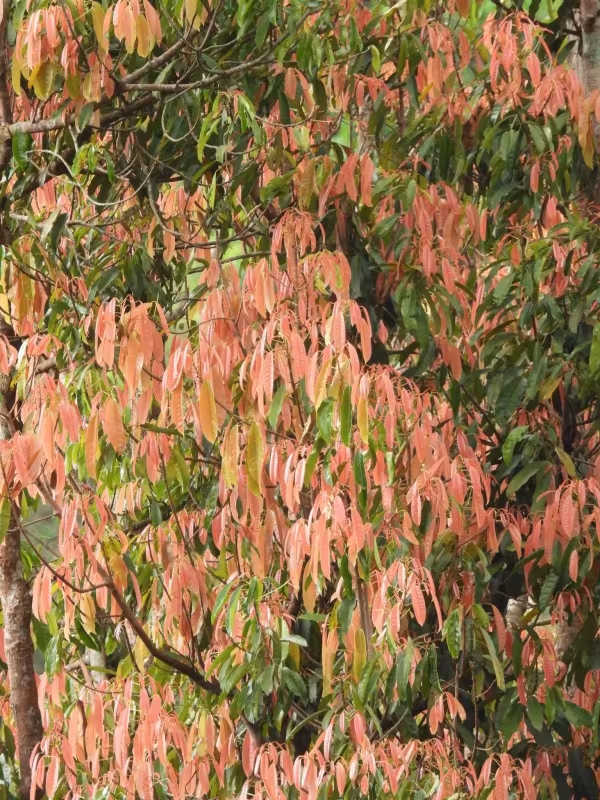
Description
Sowing dates
Propagation of Elateriospermum tapos is primarily achieved through seeds, as the tree is an integral part of humid tropical rainforest ecosystems. Seeds must be sown immediately after collection because they lose viability rapidly due to their high oil content.
For large-scale cultivation, it is recommended to start seedlings in containers using a loose, well-draining substrate. This ensures proper root development and prevents the seeds from rotting due to excess moisture during the critical germination phase.
The optimal time for transplanting seedlings into the field is the onset of the rainy season. This timing ensures that young trees receive the consistent moisture required for successful establishment and deep root anchoring.
Planting density is a crucial factor; trees should be spaced at least 10 to 12 meters apart. This provides sufficient room for their expansive canopy, ensuring that each tree receives adequate sunlight and proper airflow.
Young plants benefit from shade provided by fast-growing companion crops in the early years. As they mature, they become more resilient to direct sunlight and can thrive in open canopy conditions within their native environment.
Growing requirements
As a member of the Euphorbiaceae family, Elateriospermum tapos is a large evergreen tree native to the tropical lowlands of Southeast Asia. It is highly valued for its ability to produce oil-rich seeds.
The climate must be strictly tropical, characterized by high temperatures between 25 and 32 degrees Celsius and abundant rainfall year-round. There should be no significant seasonal temperature drops, as the tree is sensitive to cold.
Deep, fertile soils rich in organic matter are ideal for this species. Good drainage is essential, as the roots are prone to decay in waterlogged environments; therefore, heavy clay soils require significant amendments.
Consistent humidity is vital for the tree's physiological processes. While the tree requires plenty of water, it also needs well-aerated soil to support the symbiotic mycorrhizal networks that are often necessary for its growth in nutrient-poor forest soils.
Agrotechnical management includes providing balanced nitrogen and potassium fertilizers to support vegetative growth and fruit production. Mulching is highly recommended to maintain soil moisture levels and promote a healthy soil biome.
Yield
The primary economic focus of Elateriospermum tapos is the harvest of its seeds. These seeds are rich in high-quality fats but must be thoroughly processed and cooked to remove inherent toxins before consumption.
Trees typically reach economic maturity and start producing significant yields between 7 and 10 years after planting. With consistent management, a healthy tree can produce several dozen kilograms of nuts annually.
The oil extracted from the kernels is prized for its high oxidative stability, making it useful in food production and local skincare applications. Its long shelf life is a significant advantage for commercial distribution.
While the timber is utilized for carpentry and small-scale construction, the agricultural focus remains on long-term nut production. This makes the species an excellent choice for agroforestry and reforestation projects.
Maximizing yields requires careful post-harvest management. Ensuring that nuts are collected and processed quickly prevents quality degradation, which is common in high-humidity tropical climates.
Main diseases and pests
Insect pests are the primary threat, particularly those that bore into the developing fruit. Regular monitoring of the canopy is necessary to catch infestations early and apply corrective measures.
Fungal diseases can proliferate during periods of excessive rain if tree density is too high. Proper canopy pruning and adherence to recommended spacing prevent these conditions by facilitating better air circulation.
Wild animals, such as macaques and rodents, are frequent consumers of the nuts before they can be collected. Fencing or the use of natural deterrents is essential to protect the harvest from these scavengers.
Competition from weeds and secondary vegetation can significantly stunt the growth of young trees. Regular maintenance of the area surrounding the trunk (ring weeding) is a standard practice for the first few years of the plantation.
Extreme wind events, such as tropical storms, pose a risk to mature trees. Selecting plantation sites that are somewhat sheltered can mitigate the risk of structural damage to the large branches.
Harvesting
The harvest season coincides with the natural dehiscence of the fruit, when the seeds fall to the forest floor. Manual gathering is the most common and effective method for collecting the seeds.
Timely collection is critical to prevent the seeds from germinating on the damp soil or attracting mold. Producers must collect the seeds frequently throughout the harvest window to maintain product quality.
Once gathered, the seeds are cleaned and subjected to a mandatory detoxification process, which involves boiling or soaking to remove harmful substances. This prepares them for safe consumption or oil extraction.
After treatment, the seeds must be sun-dried until the moisture content is reduced to levels suitable for storage. Proper drying is the most effective way to prevent spoilage in tropical climates.
Final processing involves pressing the dried seeds to extract oil. The resulting nut cake (or meal) is often recycled as an organic fertilizer, creating a sustainable loop of nutrient management on the farm.