
Cape ash
Ekebergia capensis
Description
Growing requirements
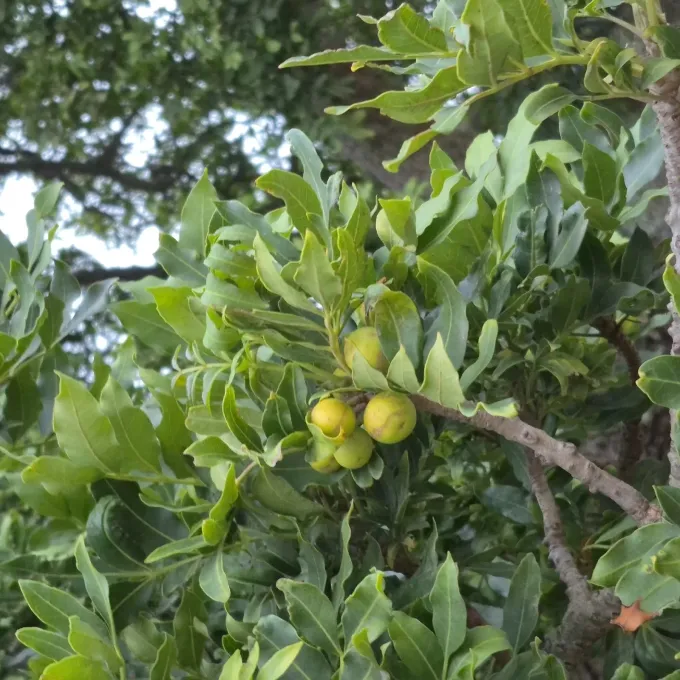
Cape ash (Ekebergia capensis) is a distinctive tree species belonging to the Meliaceae family. It is widely recognized for its dense, rounded crown and dark green, pinnate leaves.
Native to Southern and Eastern Africa, this species naturally inhabits diverse environments, ranging from moist evergreen forests and riverine woodlands to coastal bushveld areas.
Regarding soil requirements, the tree thrives in deep, loamy, and fertile soils. It prefers well-drained locations to ensure optimal root health and avoid the stagnation of moisture.
Climate adaptation is a key feature of this species. It prefers subtropical conditions with regular rainfall, but it shows remarkable resilience once established in various microclimates.
The tree is valued in urban planning as a shade tree and a bird-attracting element in gardens. Furthermore, its timber is utilized for crafting furniture and small household items.
Main diseases and pests
While generally robust, Cape ash can be susceptible to various fungal pathogens that manifest as leaf spots during periods of excessive rainfall or poor air circulation.
Scale insects and aphids are common pests that may infest the foliage and succulent stems, causing stunted growth and honeydew accumulation which leads to sooty mold.
Root pathogens are a significant threat if the tree is planted in heavy, compacted soils where drainage is insufficient, leading to crown dieback.
Integrated pest management, including the removal of infested branches and the application of horticultural oils, is recommended to mitigate the impact of pests.
It is essential to maintain proper spacing during plantation to improve air movement, which significantly reduces the risk of foliar fungal outbreaks.