
Veldt grass
Ehrharta calycina Sm.
Description
Sowing dates
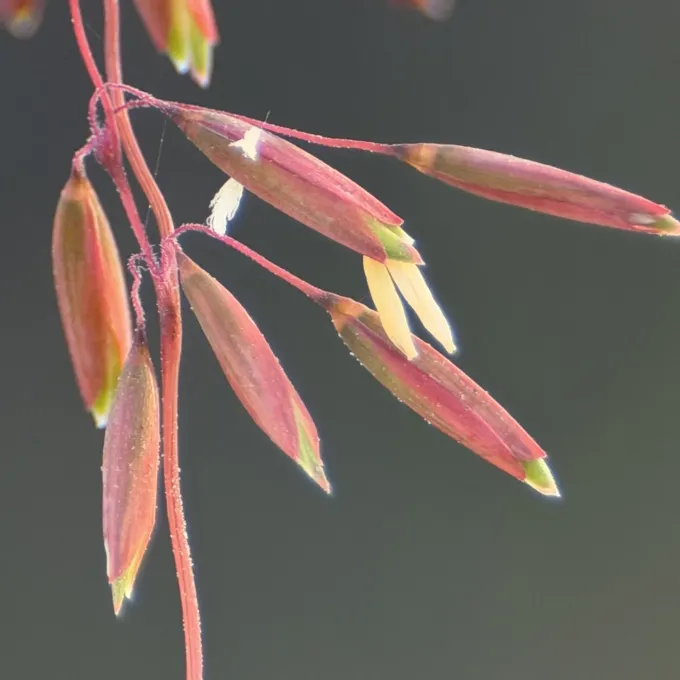
Ehrharta calycina, commonly known as Veldt grass, is a perennial grass species belonging to the Poaceae family. Sowing is typically carried out at the beginning of the rainy season to ensure sufficient moisture for germination and rapid establishment of the root system.
The seeds should be sown at a shallow depth of 1 to 2 centimeters in a well-prepared seedbed free from weeds. Drilling is the preferred method to ensure uniform stand density, which is critical for maximizing biomass production and suppressing competing vegetation.
In Mediterranean-type climates, autumn sowing is recommended, allowing seedlings to establish a strong root system before the onset of the hot summer period. Rolling the soil surface after sowing improves the contact between seeds and the soil, significantly enhancing germination rates.
Grazing or heavy machinery should be excluded from the area during the initial establishment phase to prevent damage to young plants. Veldt grass is known for its ability to self-seed, which helps maintain a stable population density in permanent pastures over time.
The choice of sowing time is crucial, as the grass performs best when soil temperatures are conducive to root growth. Adequate rainfall following sowing is essential for survival, especially in areas prone to erratic precipitation patterns.
Growing requirements
Originating from South Africa, this species is highly adapted to nutrient-poor, sandy, and rocky soils. It demonstrates a remarkable tolerance to soil acidity and performs well in marginal lands where other forage grasses may struggle to survive.
Veldt grass requires full sun exposure for optimal growth and biomass accumulation. Shade significantly inhibits tillering and reduces the overall nutritional value of the foliage, making it unsuitable for orchards or shaded areas.
Proper drainage is a fundamental requirement, as the plant is susceptible to waterlogging. Excess moisture in the root zone promotes decay and root diseases, which can lead to rapid stand decline during the winter months.
The species is exceptionally drought-tolerant, capable of entering a dormant state during extreme heat or moisture stress. It resumes rapid growth immediately upon the arrival of favorable conditions, making it a reliable feed source.
Agronomic management requires minimal fertilizer input, with light nitrogen applications during the spring growth phase being sufficient. Over-fertilization can reduce the plant's natural hardiness and lead to excessive lodging.
Main diseases and pests
Fungal diseases, particularly rusts and leaf spots, pose the greatest threat during periods of high humidity and stagnant air. Management strategies should prioritize maintaining open airflow and preventing excessive density in the pasture.
Insect pests, such as aphids and grass-feeding beetles, can damage both vegetative and reproductive structures. Integrated pest management practices, including regular monitoring and timely use of biopesticides, are recommended for large-scale production.
Improper grazing management, such as overgrazing during critical growth periods, may lead to the development of root rots and general stand thinning. Rotational grazing helps to mitigate these risks and promotes healthier pasture longevity.
Weed competition is a primary challenge during the establishment phase, as the young grass is slow to cover the ground completely. Early intervention through selective mowing or controlled grazing is necessary to ensure the grass becomes the dominant species.
Seed-feeding insects can significantly reduce the potential for natural reseeding. Protective measures during the seed development stage should be considered if the goal is to maintain or expand the pasture through natural recruitment.