
Echites repens
Echites repens
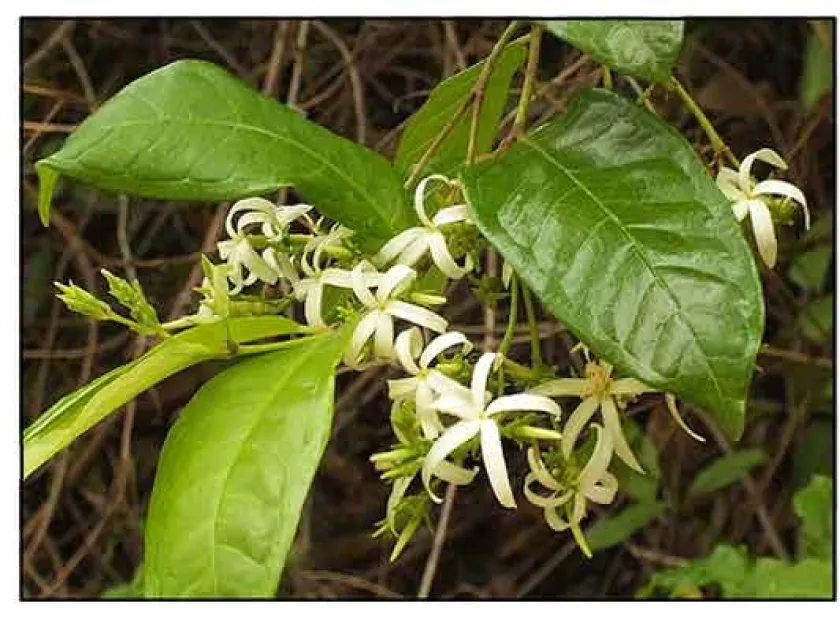
Description
Growing requirements
Echites repens is a perennial vining plant belonging to the Apocynaceae family. Native to the tropical regions of the Americas, this species thrives in humid forest environments, acting as a climbing plant that utilizes its flexible stems to reach sunlight in the canopy layer.
The crop requires a well-draining, nutrient-rich potting medium to maintain healthy root development. A mixture consisting of peat, coco coir, and perlite is generally considered ideal, as it prevents root suffocation while retaining necessary moisture levels for the plant's metabolic processes.
Environmental conditions are critical for its survival, specifically regarding heat and humidity. Echites repens grows optimally in temperatures ranging between 22 and 28 degrees Celsius. It does not possess cold hardiness and must be sheltered from any drafts or temperatures dropping below 12 degrees Celsius.
Adequate sunlight is essential for maintaining leaf variegation and promoting flowering. While it enjoys high light intensity, the plant should be shielded from intense, direct tropical sun during the hottest hours of the day to prevent leaf scorch, which can severely impact the photosynthetic area.
Agronomic management includes regular irrigation, ensuring the substrate remains consistently moist but never waterlogged. Fertilization programs should focus on balanced NPK ratios during the growing season, supplemented with micronutrients to ensure vibrant foliage and proper structural integrity of the climbing stems.
Main diseases and pests
Common pests associated with this plant under glasshouse conditions include spider mites and mealybugs. These pests thrive in environments with low air circulation, making regular inspection of leaf undersides and nodes a critical part of the daily maintenance routine for healthy growth.
Root rot, often caused by pathogenic fungi such as Phytophthora or Pythium, is a significant threat in poorly drained soils. To mitigate these risks, it is essential to ensure proper container hygiene, use sterilized potting media, and manage water application precisely to avoid saturation.