
Echinophora spinosa
Echinophora spinosa
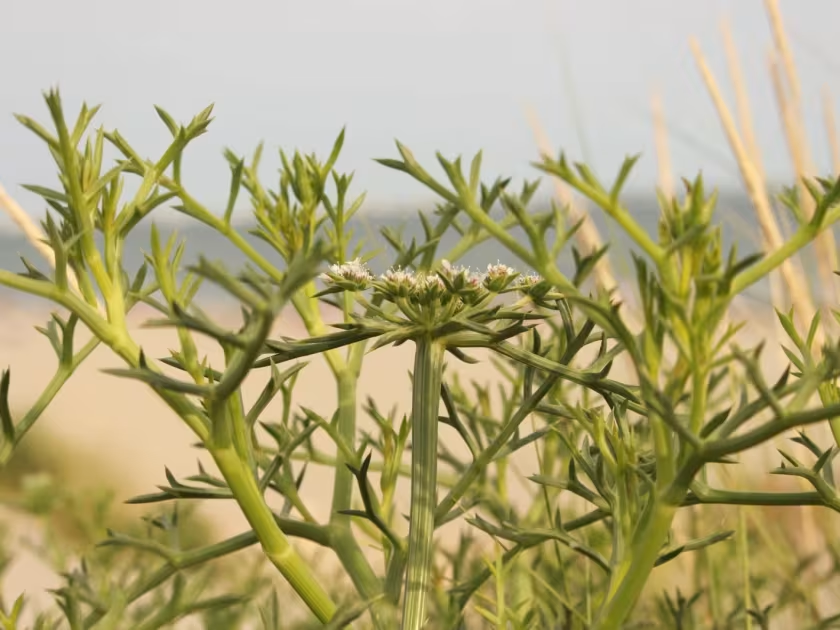
Description
Sowing dates
Echinophora spinosa is a perennial herbaceous plant belonging to the Apiaceae family. It is typically propagated by seeds, which require specific preparation due to their natural dormancy characteristics.
For best results, seeds should be sown in late autumn to undergo natural stratification during the winter. This mimics the plant's native ecological environment and ensures uniform germination in the following spring.
The optimal sowing depth is 1 to 2 centimeters. Because the seeds are small, covering them with a thin layer of light soil or sand is essential to prevent moisture loss while allowing easy emergence.
If spring sowing is required, seeds must be soaked or cold-treated. The spacing between plants should be approximately 50–60 centimeters to allow for the natural spread of the foliage and optimal aeration.
Weed management during the first few weeks is crucial. As the seedlings develop slowly, keeping the surrounding area free of competitive vegetation ensures that the young plants establish a healthy root system.
Growing requirements
This species is highly adapted to sandy, coastal environments and is considered a halophyte. It thrives in soils with high salinity, where many traditional agricultural crops would fail.
Excellent drainage is the primary requirement for successful growth. The plant is extremely sensitive to waterlogging, so it should be planted on sandy substrates or well-drained slopes.
Full sun is necessary for the plant to express its aromatic profile fully. Shaded conditions lead to weak stems and a significant reduction in the synthesis of essential oils found in the tissues.
The plant demonstrates remarkable drought resistance once established. Its deep taproot allows it to access water deep within the soil profile, making it suitable for cultivation in arid climates.
Soil nutrition should be moderate; excessive nitrogen fertilization is discouraged as it tends to encourage vegetative growth at the expense of the volatile aromatic compounds the plant is harvested for.
Yield
The economic value of Echinophora spinosa lies in its aromatic properties, often used in food flavoring and traditional medicine. Yield depends heavily on soil conditions and the duration of the growing season.
Harvesting usually begins from the second year of growth. The yield per hectare is generally consistent, provided that the plant is grown in its preferred sandy, well-drained environment.
The plant is valued for its specific flavor profile, often compared to celery or parsley. This makes it a specialty crop for niche markets focused on Mediterranean and botanical ingredients.
Productivity remains stable over several years due to the plant's perennial nature. Proper spacing prevents overcrowding, which allows each individual plant to reach its maximum biomass potential.
Standard processing includes gentle air drying, which preserves the essential oils and color. This careful handling increases the shelf-life and market value of the harvested raw plant material.
Main diseases and pests
Common pests include aphids and umbellifer-specific beetles that may feed on the tender young leaves and flower heads. Monitoring these populations is key to maintaining a healthy crop.
Fungal diseases, including powdery mildew and various leaf spots, are typically associated with high humidity or poor air circulation within the field. Maintaining wide spacing between plants is an effective preventive measure.
Root rot is the most significant threat if the soil becomes waterlogged. Ensuring that the site is well-drained and avoiding the use of heavy composts is critical for the long-term health of the plantation.
Invasive weeds can easily outcompete the young plants. Integrated pest management, focusing on biological controls and manual weeding, is preferred to maintain the organic standards often required for this crop.
Regular inspection of the root zone and basal stem is recommended to catch potential issues early. Any diseased plants should be removed immediately to prevent the spread of infections to neighboring plants.
Harvesting
Harvesting is performed when the plants reach the peak of their flowering phase. This timing ensures the highest concentration of aromatic compounds in the harvested material.
Workers must wear protective clothing, particularly gloves, as the plant features spiny leaves and bracts that can cause irritation. Mechanical harvesters should be adjusted to select only the upper parts of the plant.
Immediate processing is required to prevent the degradation of the volatile oils. After harvesting, the material should be transported quickly to a clean, dry location for initial cleaning.
The drying process should be controlled to ensure temperatures do not exceed 40 degrees Celsius. Excessive heat can cause the rapid evaporation of the essential oils, leading to a loss of product quality.
Once dried, the product is packaged in materials that allow for moisture regulation while protecting it from light and contaminants, ensuring high quality for end-users and food processors.