
Echinolaena inflexa
Echinolaena inflexa
Description
Growing requirements
Echinolaena inflexa is a perennial grass species belonging to the Poaceae family. Native to South America, this plant is a characteristic element of the Brazilian cerrado, where it plays a vital role in maintaining the structure of native grasslands.
The grass is highly adapted to nutrient-poor, acidic soils, making it an excellent candidate for agricultural use in regions where soil conditions limit the growth of more demanding forage crops.
Echinolaena inflexa requires a tropical climate with a distinct seasonal cycle. It shows remarkable resilience to extended dry spells, maintaining its biomass production capacity even under water-stressed conditions.
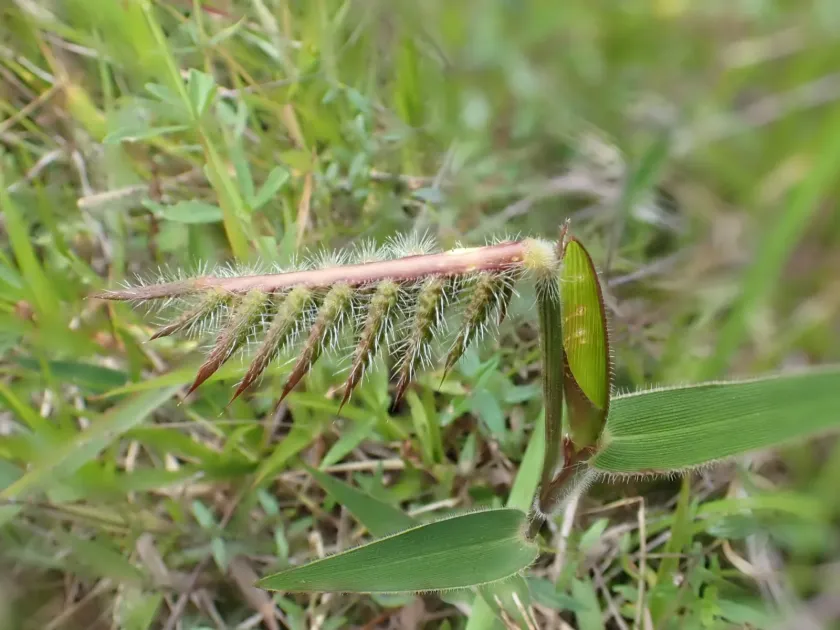
Botanically, it forms dense tufts or tussocks, which are effective at stabilizing soil and reducing surface erosion in open pasture environments. Its inflorescence is a panicle consisting of spikelets protected by distinct glumes.
In terms of agricultural utility, it serves as a valuable forage source for livestock. It is often managed in extensive grazing systems where its durability and ability to recover after grazing cycles are highly prioritized.
Main diseases and pests
The primary threats to Echinolaena inflexa include foliar fungal diseases which can spread rapidly during the peak of the rainy season.
Pest pressure from lepidopteran larvae can cause significant foliage loss, particularly in managed pastures with low biodiversity.
Competition from aggressive, invasive weed species poses a major risk to the establishment of healthy stands, especially during the early stages of growth.
Poor soil drainage can lead to root rot conditions, reducing the overall vitality of the plant and making it susceptible to further environmental stress.
Integrated pest management strategies, such as rotational grazing and regular monitoring, are essential for maintaining the productivity and longevity of the grass fields.