
Squirting cucumber
Ecballium elaterium
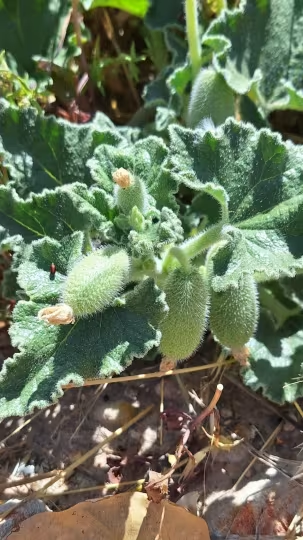
Description
Sowing dates
The squirting cucumber is a herbaceous perennial that is often cultivated as an annual crop. Sowing is best performed in early spring once the risk of frost has passed and the soil temperatures consistently remain above 15 degrees Celsius.
Seeds should be planted at a depth of 2 to 3 centimeters in well-drained soil. It is recommended to leave at least 50 centimeters between plants to allow enough room for the vigorous growth of the vines.
For colder regions, starting seeds indoors in pots four weeks before the last frost date is an effective method to ensure the plants establish well before being transplanted into the open ground.
Optimal site selection is crucial. The plant requires full sunlight exposure to thrive; otherwise, growth will be stunted and fruit production will be significantly diminished.
Once seedlings emerge, thinning is essential to maintain plant health. Only the most robust individuals should be kept to ensure that the vine spreads effectively and maintains high vitality throughout the growing season.
Growing requirements
This species is well-adapted to various soil types but thrives best in light, sandy, or loamy soils with good drainage. It is highly resistant to drought and can survive in areas with limited water availability.
While the plant is hardy, it requires consistent moisture only during the early vegetative stages. Once established, it is relatively self-sufficient, though supplemental watering during the peak of summer increases fruit yield.
Temperature tolerance is a key feature of the squirting cucumber, which flourishes in warm, sunny climates. In temperate zones, it must be protected from cold winds and late frost events that can damage young shoots.
General maintenance involves light weeding around the base of the plant to prevent competition for nutrients. The use of mulch can help conserve soil moisture and suppress weed growth during the early growth period.
Minimal fertilization is necessary, as the plant is not a heavy feeder. Over-fertilizing, especially with nitrogen, can lead to excessive vegetative growth at the expense of fruit production.
Main diseases and pests
Fungal diseases like powdery mildew pose the greatest risk, particularly in humid or overcrowded conditions. Keeping the foliage dry and ensuring good air circulation are the best preventative measures.
Root rot is a common issue when plants are grown in poorly drained soils. If the soil remains saturated for long periods, the roots will suffer, leading to the eventual decline of the plant.
Spider mites are the most persistent pests during hot and dry summer spells. These tiny pests feed on the leaves, causing chlorosis and weakening the plant's overall structure.
Aphids can colonize the young, tender parts of the vines. While minor infestations can be ignored, severe outbreaks may require the application of gentle insecticidal soaps to preserve the plant's health.
To reduce the incidence of pests and diseases, avoid planting the squirting cucumber in areas where other Cucurbitaceae species have been grown in the previous two years to prevent the buildup of soil-borne pathogens.
Harvesting
Harvesting the squirting cucumber requires extreme caution. When fully mature, the fruit exerts high pressure and ejects seeds explosively, which can be a significant hazard to the gardener.
The fruit must be collected before it reaches full physical maturity to avoid the explosive release. The ideal time for harvest is when the fruit has changed color but remains firm to the touch.
Protective equipment, including gloves and safety goggles, is mandatory during the harvest process. The juice from the fruit is a strong irritant that can cause serious skin and eye inflammation.
The harvested fruits should be processed immediately for their medicinal properties. Storing them fresh is not advisable as they degrade quickly and lose their biological efficacy over time.
Post-harvest cleanup is also important. The site should be cleared of debris to ensure that unwanted seedlings do not appear in the following season, as the plant can behave like an invasive species if left unchecked.