
European fan palm
Chamaerops humilis L.
Description
Sowing dates
The European fan palm, or Chamaerops humilis, is typically propagated through seeds. Seeds should be soaked in warm water for 48 hours to soften the hard outer coat before planting to enhance germination rates.
Sowing should be done in a well-draining, sandy-peat mix. Maintaining a constant temperature between 25°C and 28°C is essential for successful seedling emergence, which can take several weeks.
Young plants are delicate and should be kept in partial shade until they develop their first true leaves. Avoid disturbing the root system during the initial potting stages to prevent transplant shock.
Growth rate is notably slow, often requiring several years to reach a significant size. For commercial nurseries, maintaining consistent moisture levels during the early stages of development is crucial.
Vegetative propagation via offshoots is possible, although it is less common than seed propagation. This method is preferred when propagating specific cultivars to ensure genetic consistency.
Growing requirements
Chamaerops humilis is native to the Mediterranean region and is highly adapted to full sun exposure. It requires bright light to maintain its characteristic compact and dense foliage structure.
The species is remarkably versatile regarding soil, thriving in sandy, loamy, or rocky ground as long as it provides excellent drainage. It is highly drought-tolerant once established.
Temperature tolerance is a key feature, as it can withstand temperatures as low as -10°C, making it one of the most cold-hardy palm species. In colder climates, it is ideal for container gardening.
Watering needs are moderate; the soil should be allowed to dry out slightly between irrigation events to prevent root asphyxiation. During the winter, irrigation frequency should be drastically reduced.
Regular fertilization with a palm-specific fertilizer during the active growing season ensures proper nutrient balance and prevents common deficiencies like potassium or magnesium shortage.
Main diseases and pests
Spider mites are the most frequent pests, especially in hot, dry environments. They cause stippling and yellowing of the fronds. Regular misting and the use of acaricides are effective control measures.
Mealybugs can infest the leaf bases, causing stunted growth and the production of honeydew, which may lead to sooty mold. Careful inspection and manual cleaning are initial steps in management.
Root rot is a major threat caused by overwatering or poor drainage. Once established, it is difficult to treat, making preventative measures like choosing the right soil mix vital.
Leaf spot diseases, often triggered by excessive humidity and poor air circulation, can disfigure the palm. These require prompt removal of infected fronds and application of copper-based fungicides.
Deficiencies in micronutrients are usually signaled by leaf discoloration. A balanced nutritional program is the best way to keep the plant vibrant and resistant to environmental stress.
Harvesting
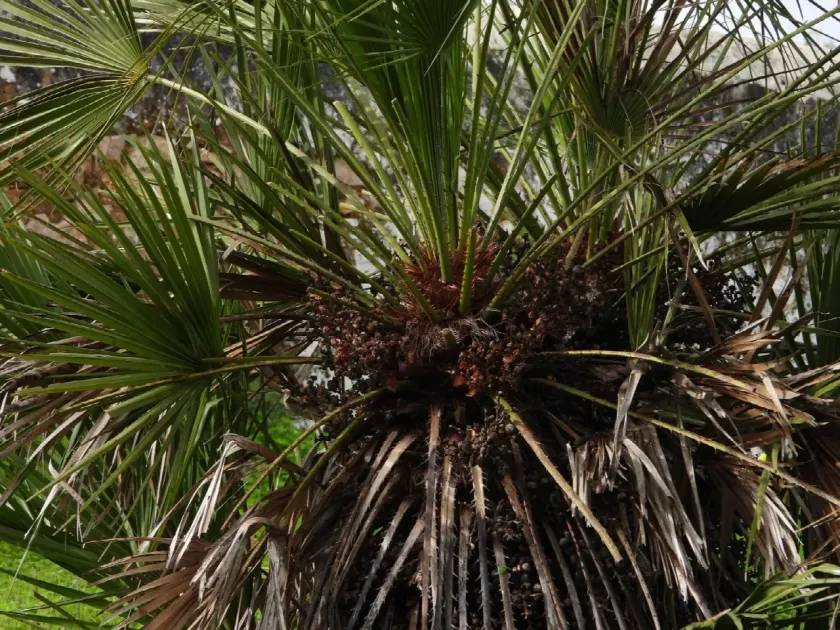
The primary use of the European fan palm is ornamental landscaping. Its attractive, fan-shaped leaves and clumping habit make it a prized plant for gardens, terraces, and urban greening projects.
Historically, the fibers from the leaves, known as "vegetable horsehair," were utilized in the textile industry to manufacture ropes, mats, brooms, and stuffing for furniture and mattresses.
While not a major commercial food crop, some cultures have traditionally used the palm hearts or young shoots in culinary preparations, though this is rare compared to its ornamental value.
Seed harvesting occurs when the fruits turn black or dark purple, usually in late autumn. The seeds must be thoroughly cleaned of pulp to prevent fungal growth during storage.
Maintenance pruning is strictly for cosmetic purposes or to remove dead foliage. Proper care ensures the palm remains a long-lived focal point in any landscape design.