
Duabanga moluccana
Duabanga moluccana
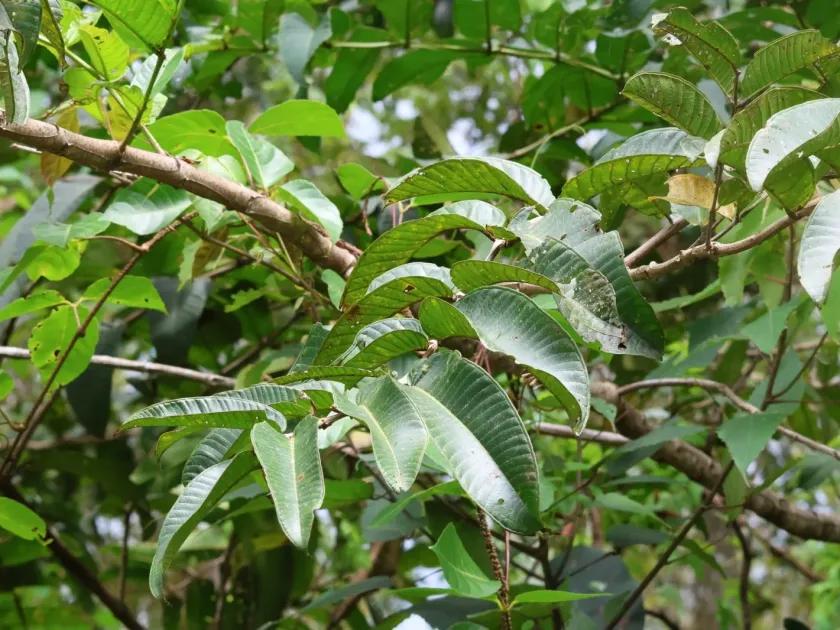
Description
Growing requirements
Duabanga moluccana, belonging to the Lythraceae family, is a notable fast-growing tree species native to the tropical regions of Southeast Asia. It is highly regarded for its potential in reforestation projects and plantation timber production.
The species naturally occurs in areas with high annual rainfall and constant humidity. It thrives in tropical climates where the temperature remains consistently warm, avoiding extremes that could limit its growth.
Regarding edaphic requirements, the tree prefers deep, fertile, and well-drained soils. While it can tolerate various soil types, poor drainage can severely inhibit root development and make the plant vulnerable to pathogens.
As a light-demanding pioneer species, Duabanga moluccana requires open canopy conditions to reach its maximum growth potential, making it an ideal choice for restoring degraded forest lands.
Economically, the timber is classified as lightweight and soft. Its primary applications include the manufacturing of plywood, particle boards, general carpentry, and lightweight wooden packaging materials.
Main diseases and pests
Fungal pathogens represent the most significant threat to Duabanga moluccana plantations, especially in humid conditions where stagnant air and moisture promote disease spread.
Stem borers are common insect pests that can infiltrate the trunk, causing structural damage to the wood and reducing its commercial market value significantly.
Weed competition during the seedling establishment phase is a critical issue; without adequate maintenance, the trees may fail to reach the canopy layer.
Damage to the bark caused by heavy machinery or wildlife can create entry points for opportunistic infections, leading to internal decay.
To ensure healthy development, managers should implement strict silvicultural practices, including regular health monitoring and the removal of highly susceptible individuals.