
Duabanga grandiflora
Duabanga grandiflora
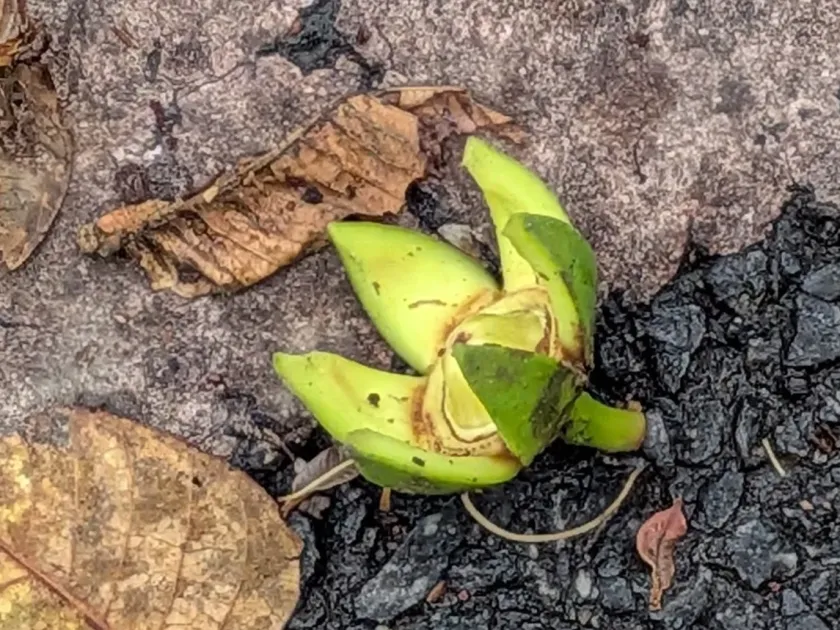
Description
Sowing dates
The propagation of Duabanga grandiflora in commercial forestry is primarily conducted through seeds in specialized nursery facilities. Due to the minute size of the seeds, they are sown in trays with well-drained substrate, ensuring protection from direct heavy rainfall.
The optimal sowing period aligns with the onset of the monsoon season, which guarantees high germination rates and vigorous early development. Under controlled greenhouse conditions, germination typically occurs within two to three weeks given adequate light exposure.
Once seedlings reach a height of 20–30 centimeters, they are pricked out into individual containers or nursery bags. This practice reinforces the root system and prepares the young tree for transplantation into its permanent growing site.
An essential preparatory step involves hardening the seedlings before final field planting. This adaptation process to direct sunlight typically lasts about one month and significantly improves survival rates in forest environments.
Field planting is ideally performed when the seedlings are between 6 and 8 months old. Plantation density varies based on management objectives, with spacing patterns generally set at 3 by 3 or 4 by 4 meters.
Growing requirements
Duabanga grandiflora is a member of the Lythraceae family and is native to the tropical forests of South and Southeast Asia. The crop thrives in moist, fertile alluvial soils, particularly in valley areas near river systems.
The species demands high average annual temperatures and substantial rainfall for optimal growth. It is a light-demanding tree that shows the fastest growth rates in open canopy environments without competition for sunlight.
Soil composition should be rich in organic matter with a neutral to slightly acidic pH. Despite the plant's requirement for high atmospheric humidity, waterlogged soils with poor drainage must be avoided to prevent root decay.
The culture is sensitive to severe winds and extreme temperature drops, requiring careful site selection for long-term plantation health. Ideal altitudes for cultivation range from sea level up to 1000 meters.
Agricultural management includes routine weeding around the base of young trees during their first three years. Mulching is highly recommended to maintain soil moisture levels during short periods of seasonal drought.
Yield
Duabanga grandiflora is recognized as a fast-growing species, making it an economically viable asset for timber production. Under optimal site conditions, annual height growth can exceed two meters per year.
The timber produced by this tree is notably light and soft, which determines its primary industrial applications, such as the manufacturing of plywood, packaging crates, and interior architectural elements.
The rotation period for this species is relatively short, typically ranging from 15 to 20 years to reach technical maturity. This efficiency supports rapid biomass recovery and consistent timber supply.
Yield capacity is categorized as high, making the species suitable for reforestation projects on degraded lands. The tree quickly creates a dense canopy, effectively suppressing competing invasive weeds.
In addition to industrial timber, flowers and fruits are utilized in traditional local herbal practices. However, the commercial valuation of the crop is driven primarily by the volume and quality of the harvested wood.
Main diseases and pests
Young plantations are primarily threatened by fungal pathogens that flourish in conditions of excessive humidity. Foliar spots and blights can significantly hinder the photosynthetic capacity and overall tree growth.
Insect pests, particularly wood borers and defoliating beetles, can cause substantial damage to plantation stands. Regular monitoring of trunk and foliage health is a critical task for forest managers.
Competition from invasive vines poses a risk, as they can cause trunk deformation and reduce the final wood quality. Timely sanitary clearing of the plantation significantly reduces the impact of such threats.
Damage to the root system by small rodents during dry months is a documented issue for saplings. Installing protective mesh or site barriers is an effective preventative measure to minimize early-stage mortality.
Nutrient deficiencies in the soil can trigger chlorosis, leaving the tree more susceptible to secondary pest infections. Balanced fertilizer application during the early growth phase is highly recommended as a preventive strategy.