
Drymonia serrulata
Drymonia serrulata
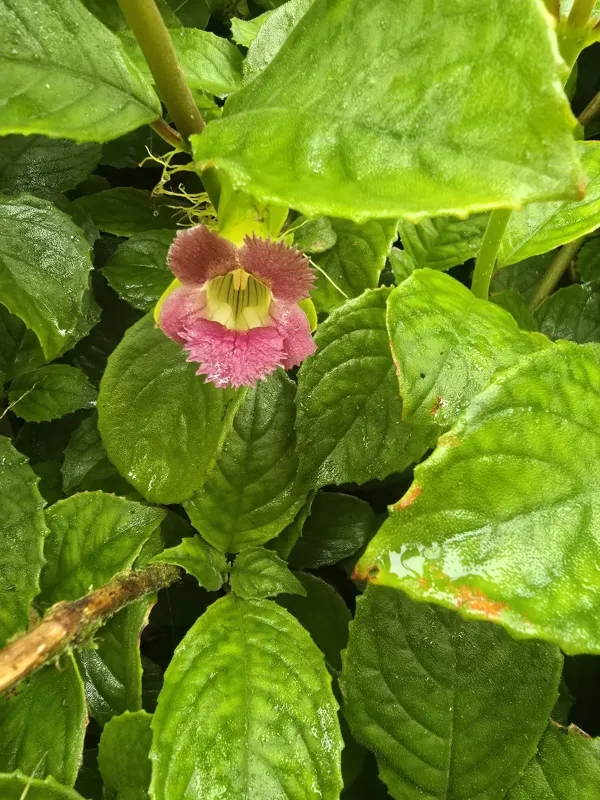
Description
Growing requirements
Drymonia serrulata is a perennial herbaceous plant belonging to the Gesneriaceae family. Originating from the tropical regions of Central and South America, this species is frequently found growing as an epiphyte in humid forest ecosystems.
The crop thrives in temperatures ranging from +20°C to +26°C. It requires a stable climate and is highly sensitive to sudden thermal shocks or cold drafts, which can immediately affect its metabolic processes and aesthetic value.
High humidity is essential for the healthy growth of this species. Maintaining relative humidity levels between 60% and 80% is necessary to prevent leaf desiccation and to support the natural physiological functions of the plant.
The growing medium must be highly porous and well-draining. A mix consisting of peat moss, pine bark, and perlite is ideal, as it mimics the natural epiphytic environment while providing the necessary structural support for the roots.
This plant requires bright, filtered light to perform optimally. Intense, direct sunlight should be avoided to prevent foliar scorching, while low light conditions will significantly reduce flowering density and lead to etiolated growth.
Main diseases and pests
Spider mites are the most common pests that affect Drymonia serrulata, especially in environments where air humidity is improperly managed. These pests thrive in dry conditions and can cause significant damage to foliage.
Mealybugs and aphids may also colonize the plant, focusing on the tender growth points and the underside of leaves. Regular monitoring is crucial for early detection and prevention of large-scale infestations.
Root rot is the most common pathology, usually resulting from poor soil drainage or over-irrigation. Once the root system is compromised by fungal pathogens, recovery becomes difficult, often requiring plant propagation from healthy cuttings.
Botrytis (gray mold) can infect the flowers and leaves during periods of poor air circulation and high ambient moisture. Proper ventilation and sanitation are the primary tools for preventing the spread of such fungal issues.
Control strategies involve the integrated use of insecticides and fungicides. It is recommended to apply treatments as soon as symptoms appear, ensuring that all parts of the plant are adequately covered to break the pest or disease cycle.