
Drymonia chiribogana
Drymonia chiribogana
Description
Growing requirements
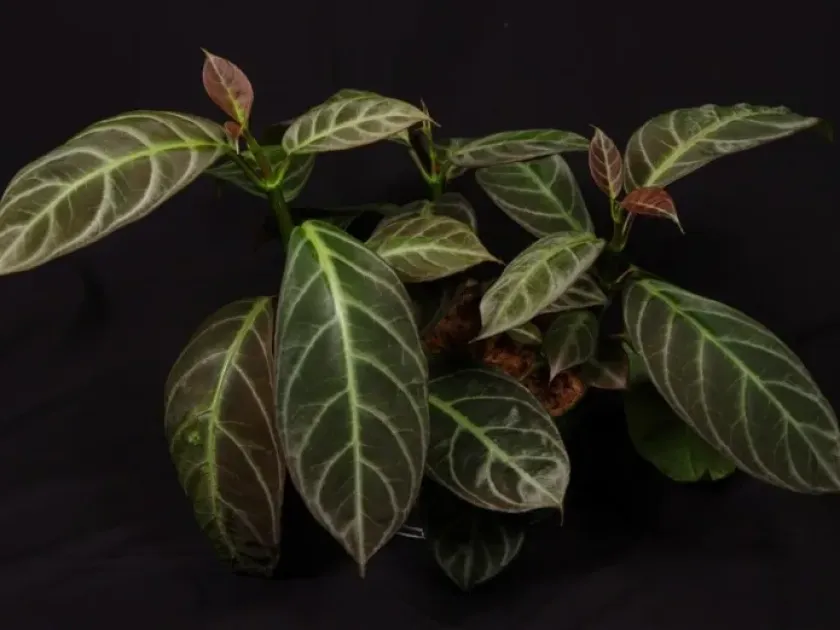
Drymonia chiribogana is a remarkable species belonging to the Gesneriaceae family. Originating from the cloud forests of Ecuador, it is primarily valued in botanical collections for its unique floral morphology and foliage characteristics.
The cultivation of this plant requires a highly humid environment, ideally maintaining humidity levels between 70% and 85%. In greenhouse or indoor conditions, regular misting or automated humidification systems are recommended to prevent dehydration.
Temperature management is critical, with an ideal range of +20°C to +26°C. The species is sensitive to thermal shock; therefore, it must be kept away from air conditioning vents and cold drafts that could lead to leaf senescence.
Light requirements are focused on bright, indirect sun. Exposure to direct radiation, especially in the afternoon, can cause irreversible tissue damage. Using shade cloth or filtered window light is the preferred method for long-term health.
The growth medium must be exceptionally well-draining, mimicking an epiphytic environment. A mix containing orchid bark, perlite, coconut coir, and peat moss provides the necessary aeration and moisture retention required for root development.
Main diseases and pests
Spider mites represent a primary pest threat for this crop. Their rapid reproduction in indoor environments can lead to significant foliage damage; therefore, frequent monitoring and proactive humidity control are essential.
Root rot is the most common pathology associated with poor irrigation management. Excessive moisture in the substrate leads to oxygen deprivation in the rhizosphere, making the plant susceptible to Pythium and other soil-borne pathogens.
Mealybugs can often be found in the leaf axils of the plant. They thrive in protected environments and can be difficult to eradicate without systemic treatments or manual removal using isopropyl alcohol solutions.
Fungal leaf spots can occur when water remains on the foliage for extended periods without adequate air circulation. Ensuring good ventilation helps to maintain healthy, dry surfaces on the leaves.
Maintaining balanced fertilization is key to disease resistance. Over-fertilization can burn sensitive roots, making the plant more prone to infections. It is recommended to use diluted, water-soluble fertilizers during the active growing season.