
Drepanostachyum khasianum
Drepanostachyum khasianum
Description
Growing requirements
Drepanostachyum khasianum is a species of perennial bamboo belonging to the Poaceae family. This plant is widely recognized for its clumping growth habit, which makes it a highly desirable candidate for managed garden landscapes and small-scale cultivation.
The native habitat of this species is located in the mountainous regions of the Eastern Himalayas, specifically the Khasi Hills. It thrives in environments characterized by high humidity and moderate temperatures, which defines its specific bioclimatic requirements.
Optimal growth is achieved in well-drained, nutrient-rich soils that possess slight acidity. Unlike running bamboo species, this clumping variety does not require aggressive containment, allowing for more precise placement within agricultural or ornamental designs.
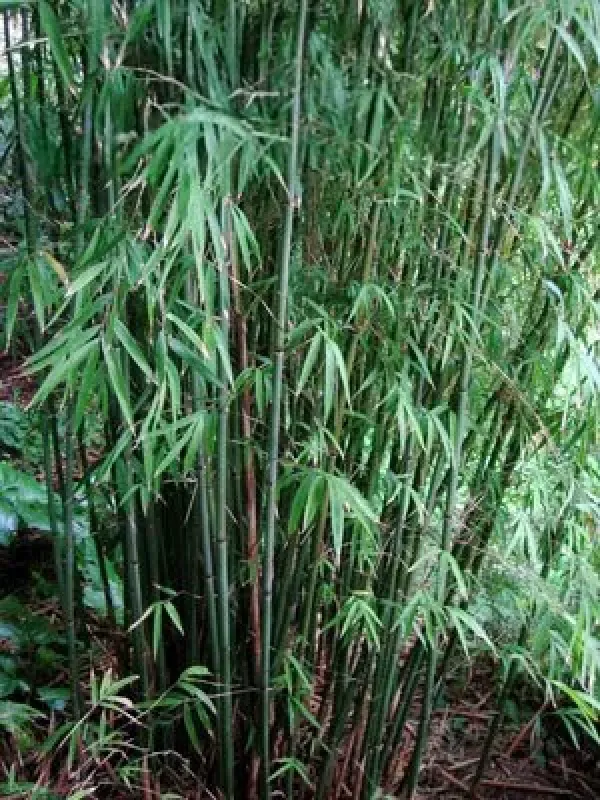
Botanically, the plant is characterized by slender, elegant culms and lanceolate foliage. Its growth pattern is dense, providing significant biomass production in its native range, which contributes to its value as a renewable resource for local handicrafts.
Agricultural use of Drepanostachyum khasianum primarily focuses on its culms, which are utilized for crafting furniture, garden fencing, and traditional tools. Its versatility in material production has kept it relevant in local economic sectors within its natural range.
Main diseases and pests
The primary threats to this bamboo species involve fungal pathogens that affect root health when soil aeration is poor. Additionally, spider mites can become problematic during periods of prolonged drought or in environments where air humidity is insufficient.