
Drepanostachyum falcatum
Drepanostachyum falcatum
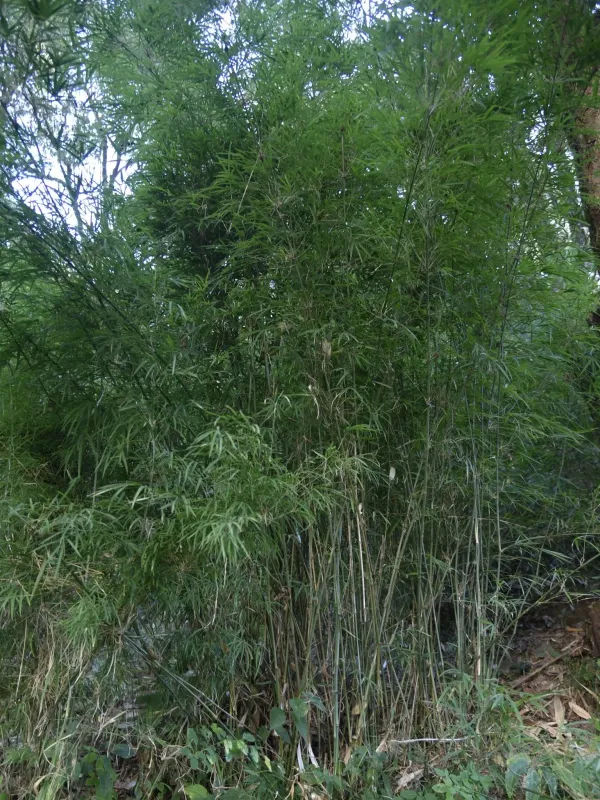
Description
Growing requirements
Drepanostachyum falcatum is a perennial evergreen plant belonging to the grass family (Poaceae). It is characterized by its elegant, weeping culms and slender, lance-shaped leaves, which give the plant a delicate, graceful appearance. It typically grows to a height of 2 to 4 meters, forming dense, clumping stalks.
The plant is native to the Himalayan region, specifically India and Nepal, where it thrives in cool, high-altitude mountain environments. Due to its origin, it is better adapted to cooler climates than most tropical bamboos, making it a popular choice for temperate garden collections in specific regions.
To ensure optimal growth, Drepanostachyum falcatum requires fertile, well-drained soil with a slightly acidic to neutral pH. A key aspect of its cultivation is ensuring efficient soil drainage, as the roots are highly susceptible to rot if subjected to prolonged waterlogging.
Regarding climate, the plant prefers semi-shaded conditions, especially in areas with intense sun. While it is relatively resilient, it performs best when protected from strong, desiccating winds that can damage its foliage and disrupt its natural growth cycle.
Economically and ornamentally, it is highly valued for landscaping. It is frequently used for creating privacy screens, garden borders, and as an ornamental specimen in urban landscaping, where its non-invasive clumping habit makes it a manageable and desirable option for designers.
Main diseases and pests
The main threats to the health of this bamboo species include fungal infections, which often occur due to poor air circulation or overwatering. Root rot is a common issue that must be mitigated by careful soil moisture management.
Pests such as spider mites and aphids are known to target the foliage, especially during dry summer months. Gardeners should implement a regular monitoring program to detect infestations early and apply appropriate integrated pest management practices.