
Dregea volubilis
Dregea volubilis
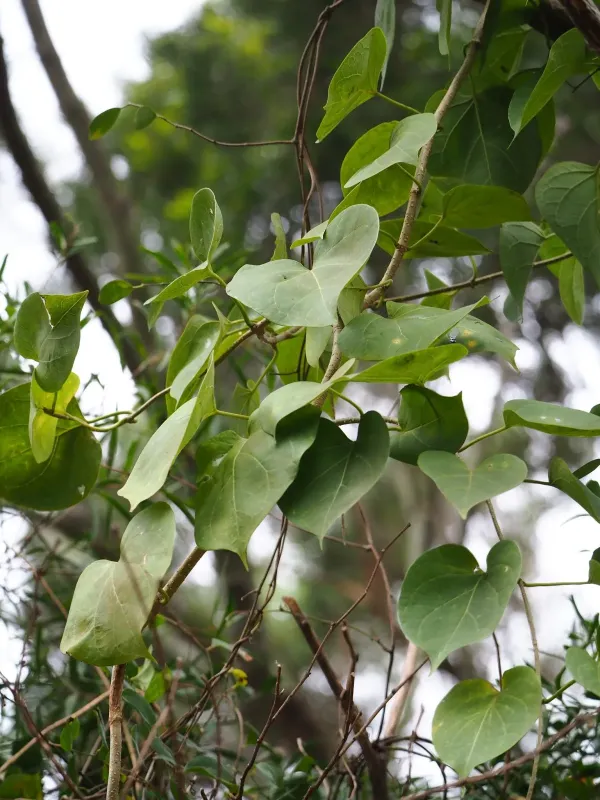
Description
Sowing dates
Propagation of Dregea volubilis is typically achieved through seeds or stem cuttings during the spring season. The ideal window for sowing seeds is early spring, ensuring air temperatures stay consistently above 20-22 degrees Celsius.
Seeds should be planted in a well-draining, nutrient-rich substrate at a depth of about 1 to 1.5 centimeters. Covering the container with plastic film helps maintain the high humidity required for successful germination until seedlings emerge.
For vegetative propagation, semi-hardwood cuttings are taken at the start of the active growth phase. These are treated with rooting hormones and placed in a warm environment with high humidity to encourage root development.
Once seedlings develop their second pair of true leaves, they should be transplanted into individual pots. Providing bright, indirect light is essential at this stage to ensure sturdy stem development and prevent etiolation.
In temperate zones, the plant is often grown in containers. This approach allows for easy relocation to a greenhouse or indoors before the first autumn frosts, extending the growing season significantly.
Growing requirements
Dregea volubilis is a robust woody vine belonging to the Apocynaceae family. It thrives in locations that offer full sun to partial shade, provided it has protection from strong, drying winds.
The ideal soil type is a fertile, well-draining loam with a neutral to slightly acidic pH. Effective drainage is critical; waterlogged soil can lead to root failure, making the use of pots with drainage holes or raised beds essential.
Tropical to subtropical climate conditions are preferred. During winter, if grown in containers, the plant should enter a resting phase in a cooler environment, maintaining temperatures around 15 degrees Celsius.
Watering should be regular yet moderate. While the plant appreciates consistent soil moisture during its active growth period, it is crucial to allow the top layer of the substrate to dry out between waterings to prevent rot.
Vertical support is a non-negotiable requirement for this species. As a fast-growing climber, it requires sturdy trellises, arbors, or walls to facilitate healthy upward development and optimal light exposure.
Yield
The agricultural and economic value of Dregea volubilis lies primarily in its medicinal applications, specifically in South Asian traditional systems. Leaves and flowers are harvested for their therapeutic compounds.
Yield of foliage and floral biomass depends heavily on cultural practices, including consistent fertilization with balanced NPK fertilizers during the growing season to support rapid vegetative expansion.
Flowering occurs throughout the summer months, producing fragrant clusters. Harvest timing for medicinal use is crucial, often occurring when the flower clusters are fully developed but not yet beginning to wilt.
Fruit production results in follicles that contain seeds equipped with silken tufts. These are harvested as they transition from green to yellow, signaling technical maturity before the follicles dehisce and release seeds.
Strategic pruning is essential to improve yield. By trimming back terminal stems, farmers can encourage denser branching, which increases the total number of floral nodes and enhances the harvest potential.
Main diseases and pests
Common pests affecting Dregea volubilis include spider mites and aphids, which frequently target tender new shoots during periods of low humidity or high temperatures.
Fungal diseases, particularly root rot, are the primary threats during periods of excess moisture or poor soil aeration. These conditions encourage pathogen proliferation, which can quickly compromise the plant's vascular system.
Pest management relies on the use of systemic insecticides or bio-based oils, which should be applied during the cooler parts of the day to avoid leaf scorch and maximize efficacy.
Prevention is the best defense against disease. This involves maintaining optimal airflow, ensuring correct watering intervals, and disinfecting pruning tools after each use to prevent cross-contamination.
- Frequent monitoring for early signs of mite infestation.
- Improving drainage by incorporating organic matter or perlite.
- Regular sanitization of the growing area to discourage fungal spores.